For long decades, Libyan cinema has stood bound at the edge of memory. It has remained stagnant between an incomplete message and a canvas waiting behind towering obstacles. While the rest of the world was building palaces for film, the Libyan cinematic infrastructure was severely decaying within walls of neglect, further impacted by the tolls of time and politics. At the height of this collapse, a beam emerged from the world of zeros and ones to declare that cinema is not an entity held hostage by rigid forms. Instead, it is an imagination carrying endless stories, clinging to digital cinema as a lifebelt. Through this medium, the Libyan creator crosses from the shore of absence to the shore of presence.
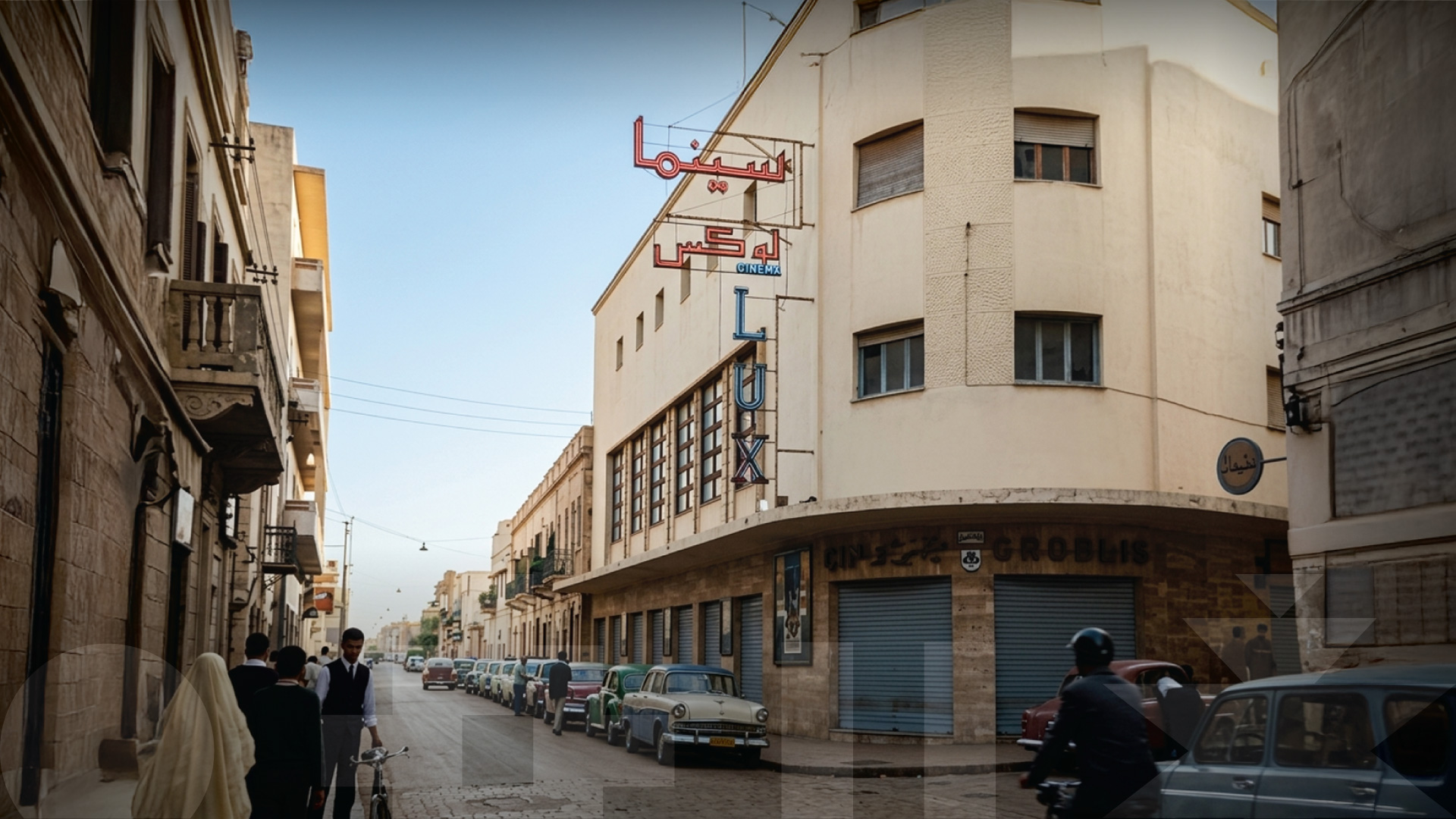
Once, movie theaters in Libya were beacons that lit up the nights of cities. During the twentieth century, residents of the capital, Tripoli, frequented many halls, most notably the Odeon Cinema. This venue hosted major celebrations documented in the Tarabulus al-Gharb newspaper and several books, such as those by the writer Ahmed al-Fitouri in Libya I Saw, Libya I See. As one of the writers most dedicated to the city’s memory, al-Fitouri described the Odeon as the lung through which Tripoli breathed. He spoke of it as part of a civil school, noting that film at that time was equal in importance to books and newspapers. In the charming hall of the Odeon, the viewer did not just consume a movie; they added exceptional modern values to themselves.
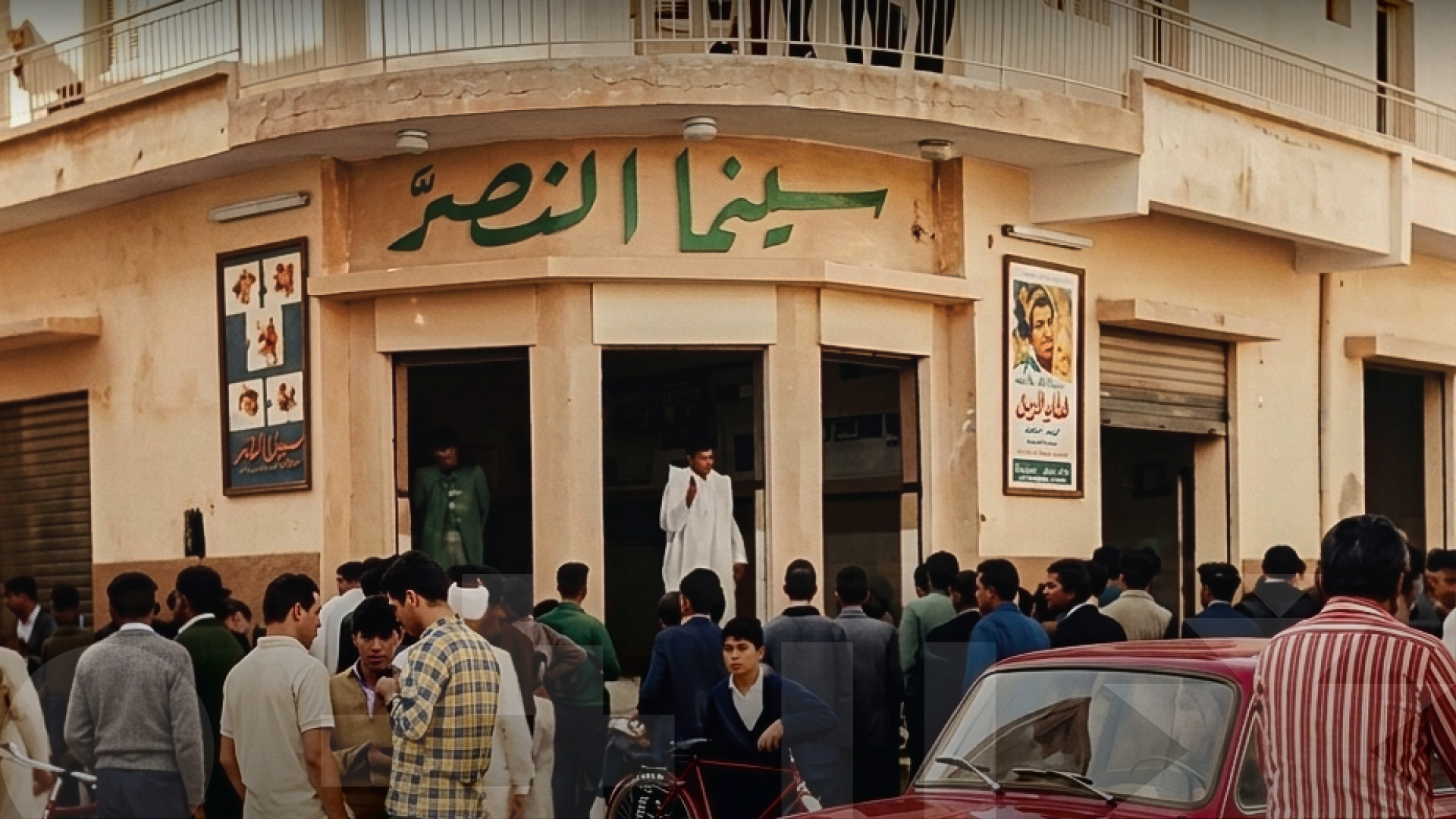
Al-Fitouri also wrote about the Al-Nasr Cinema, also known as the Apollo Cinema. This was one of the pillars of cinematic memory in Tripoli until it was destroyed by a massive fire in the late eighties. Many writers, including al-Fitouri, considered this event the symbolic death of Libya’s golden age of cinema.
On the other hand, Libya was once open to international film productions. The unique landscapes and ancient cities attracted the cameras of world-renowned directors. A prime example is The Message (1976), directed by the Syrian-American Moustapha Akkad. Although filming began in Morocco, the largest and most significant parts of the film, in both its Arabic and English versions, were completed in Libya. The vast Libyan desert was used to film major battle scenes. Similarly, Lion of the Desert (1981) had most of its scenes shot between Benghazi, the Green Mountain, and the desert. This film was an investment in the geography of memory, treating the land as a global stage.
As the physical foundations of the industry cracked, the Libyan director found themselves facing a dead end. Cut off from support and stuck in a massive production gap, the “developing” process that once gave a physical body to imagination died out. Local production pulses stopped behind walls of silence, consumed by war and commercial interests. From this starting point, digitalization became more than just a technical choice. It evolved into an act of resistance and a rescue mission for Libyan digital cinema. It broke the monopoly held by elites and money, turning the camera from a technical monster requiring state budgets into a flexible tool in the hands of the ambitious.
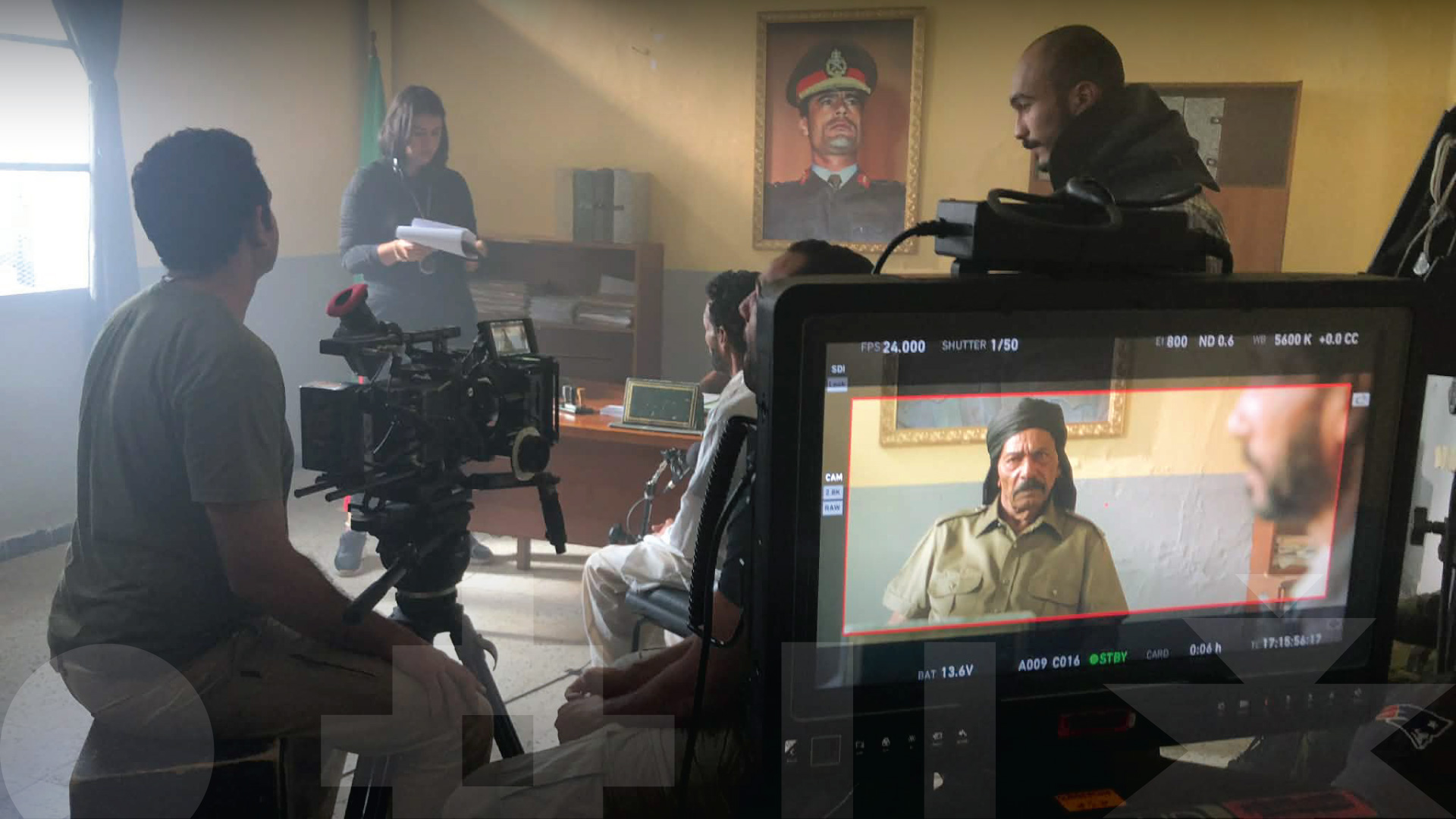
While support remains locked behind walls of thick bureaucracy and the institutional system fails to embrace artistic visions, a creator in the heart of Ghat or the old alleys of Tripoli can now succeed. Using a professional digital camera or even a smartphone, they can film a brilliant movie that competes in major international festivals. They can bypass the hurdle of distribution. In the absence of traditional theaters, digital platforms and social media have provided a free, global box office for the Libyan artist. They can now cross narrow geographical borders and find their way into the hearts of a global audience united by digital screens in a single universal space.
On a parallel level, there is no longer a vital need for massive studios. Editing is done on a laptop, and color correction is accessible through smart software, compensating for the severe lack of film laboratories. By moving past the ancient restrictions that long shackled production paths, the digital space has given the Libyan creator a free outlet away from official guardianship. Relying on features such as CGI and digital visual effects, Libyan directors now have increased opportunities to rebuild cities destroyed by wars and to travel deep into forgotten Libyan history.
Digital cinema is a real opportunity to rewrite the Libyan visual identity. This is especially true because the Libyan people possess a vast treasury of stories, from the Tuareg legends in the south to the tales of sailors in the north. All a director needs is this digital medium to transmit these great secrets and stories to the world. Cinema, in all its various dimensions, is not only what we see with our eyes but what we imagine behind our eyelids. Digital technology is the tool that turns this imagination into a tangible reality.
On the other side, we cannot be overly optimistic without acknowledging the existing obstacles. While digital cinema provides equipment, it does not provide cinematic thought or the wisdom to handle modern developments. It is necessary to educate the youth on various digital editing techniques and modern sound engineering. Furthermore, protecting intellectual property rights in cyberspace is essential to ensure that production remains sustainable.
In truth, cinema in Libya is not a luxury. It is an existential necessity required for the stage of repairing collective memory and the social fabric. Despite the bitterness of lacking infrastructure, this situation provides the advantage of starting from where others ended. Today, Libyan cinema does not necessarily need the construction of classic theaters with thousands of seats. Instead, it can innovate through mobile cinemas and open screening spaces via digital platforms that settle right in the heart of the viewer’s home.
In conclusion, the greatness of cinema in Libya was never a hostage to velvet seats. It is the daughter of an unconquerable spirit and a passion that masters the lens. Today, while traditional infrastructure is absent, digital cinema opens endless doors for minds that know no boundaries and for places mentioned once again so they may remain vibrant and continue writing their history with ink made of light.
Ghinwa Abbas