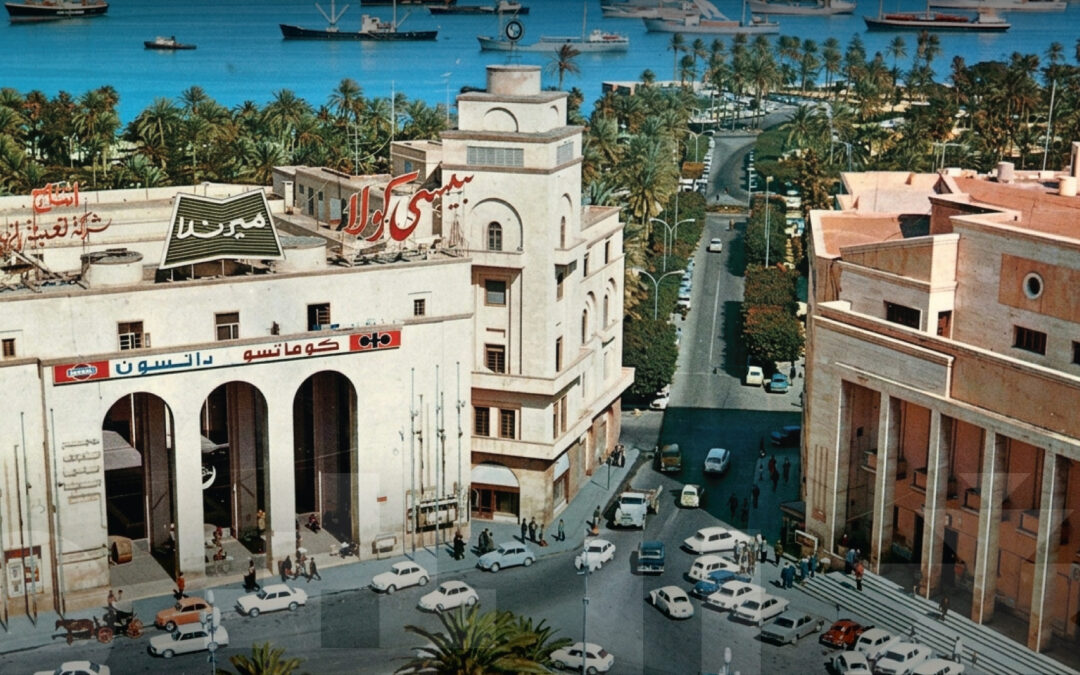
Cities in cinema do not merely appear as silent backgrounds. They often transform into main characters that participate in the creation of meaning. Streets, facades, sounds, and even the light itself all contribute to shaping the visual and psychological experience of the viewer. The camera does not just capture a location as it is. It rediscovers the space, forging a new relationship between human beings and their environment.
In global cinema, cities have played a pivotal role in defining national and cultural identity. Paris in French cinema is never just a filming location, and New York in American cinema is more than just a crowded metropolis. They have evolved into visual symbols carrying profound human and social connotations.
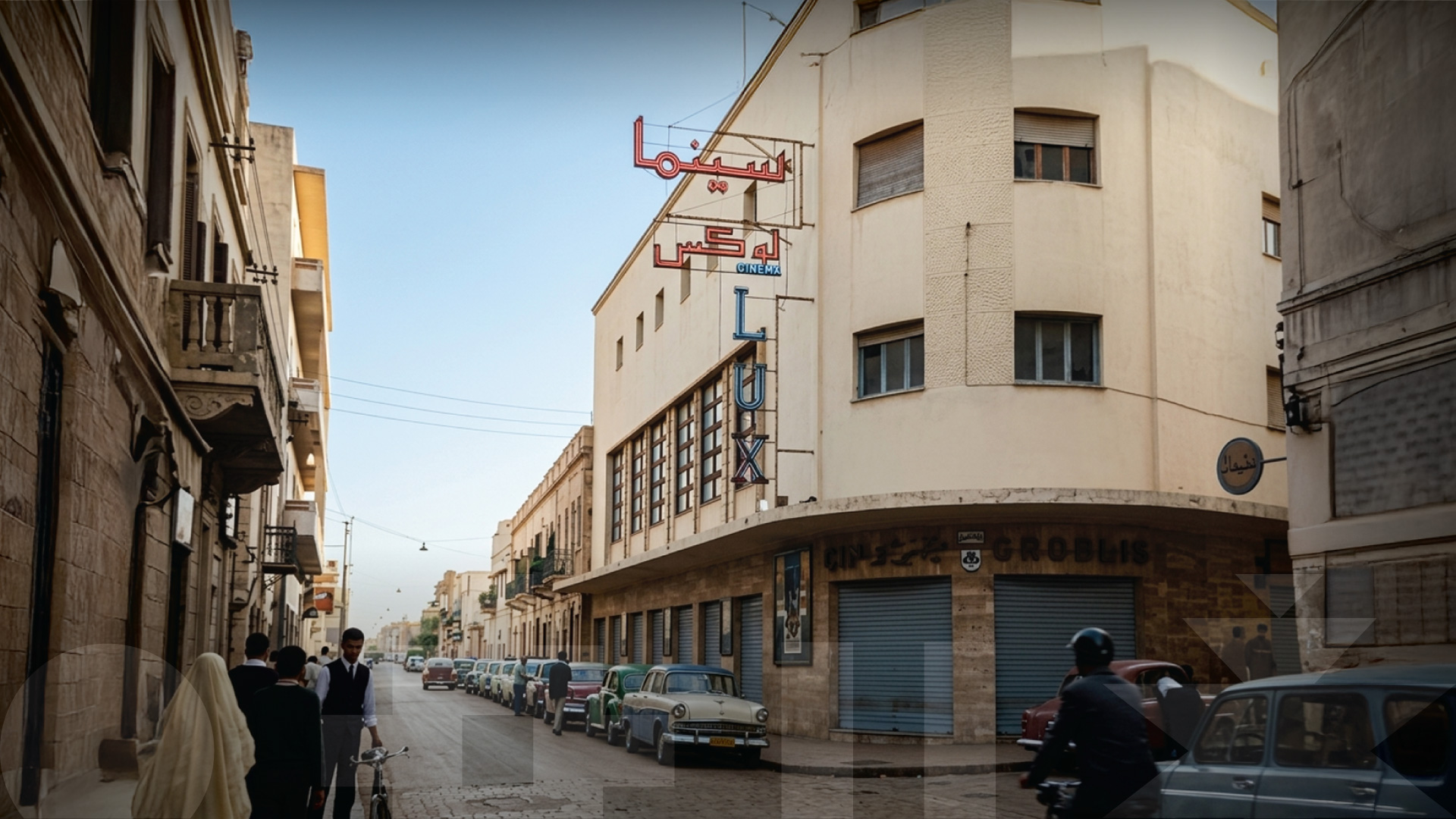
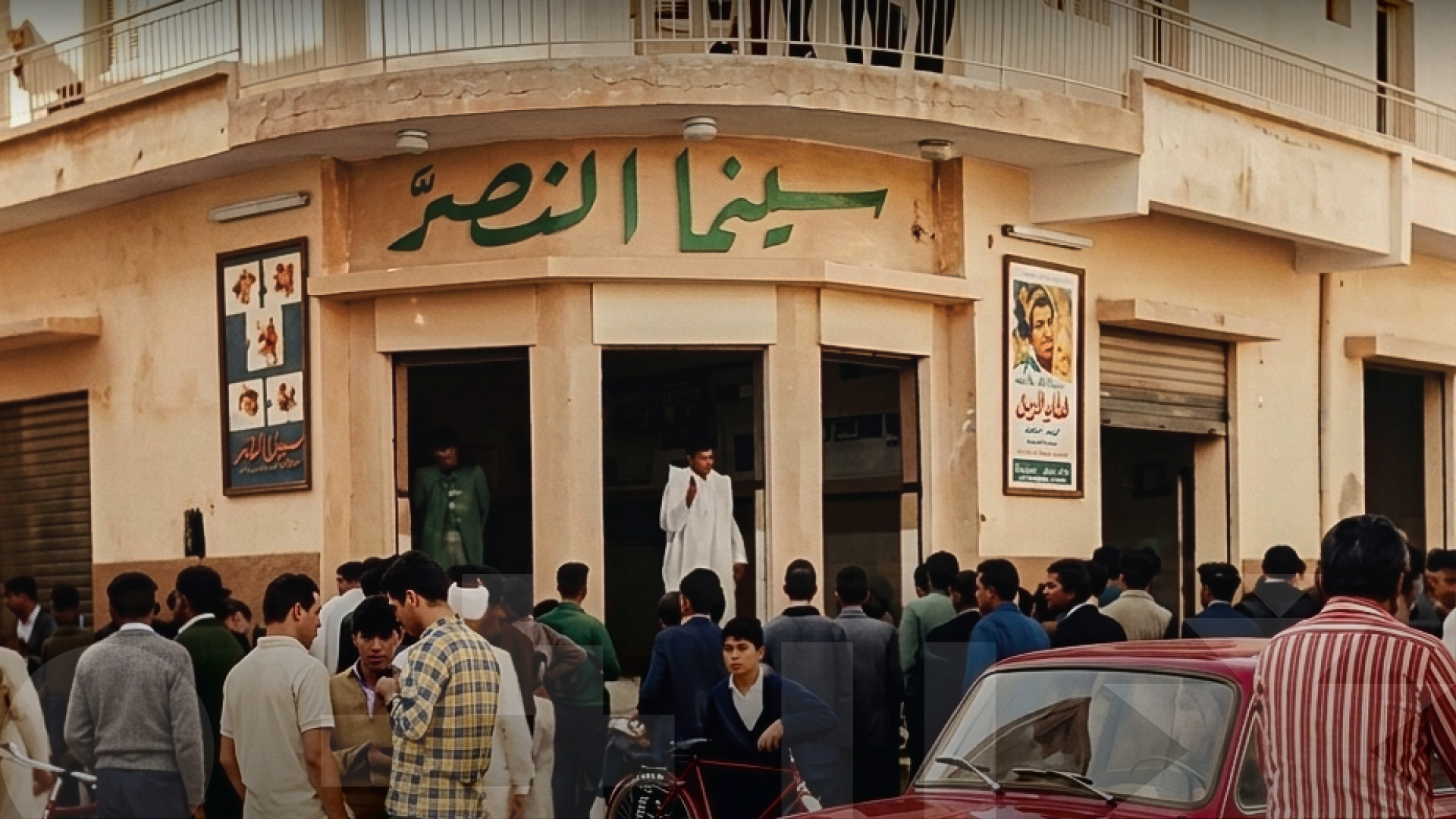
In the Libyan context, however, the city has largely been absent from this role despite its visual richness and its architectural and social diversity. The Libyan city rarely appears on screen as a living space. When it does, it is usually tied to stereotypical imagery: quick shots of the desert, scenes of tension, or generic public spaces that serve a broader context without focusing on the place itself.
This absence is not solely due to a lack of film production. It also stems from the absence of a cinematic vision that views the city as compelling narrative material. When a city is missing from cinema, it loses a part of its presence in the collective memory. The cinematic image is capable of granting a place an extended life, turning its everyday details into a part of the shared imagination. A viewer who sees a city on screen does not just recognize it, but rediscovers it through a new lens.
In this context, documenting the city cinematically can be viewed as part of the right to culture, as stated in Article 27 of the Universal Declaration of Human Rights, which affirms everyone’s right to participate in cultural life. Filming Libyan cities with all their daily nuances does not only add aesthetic value to a movie. It allows citizens to see themselves, their history, and their environment represented on screen, serving as a powerful form of cultural empowerment.
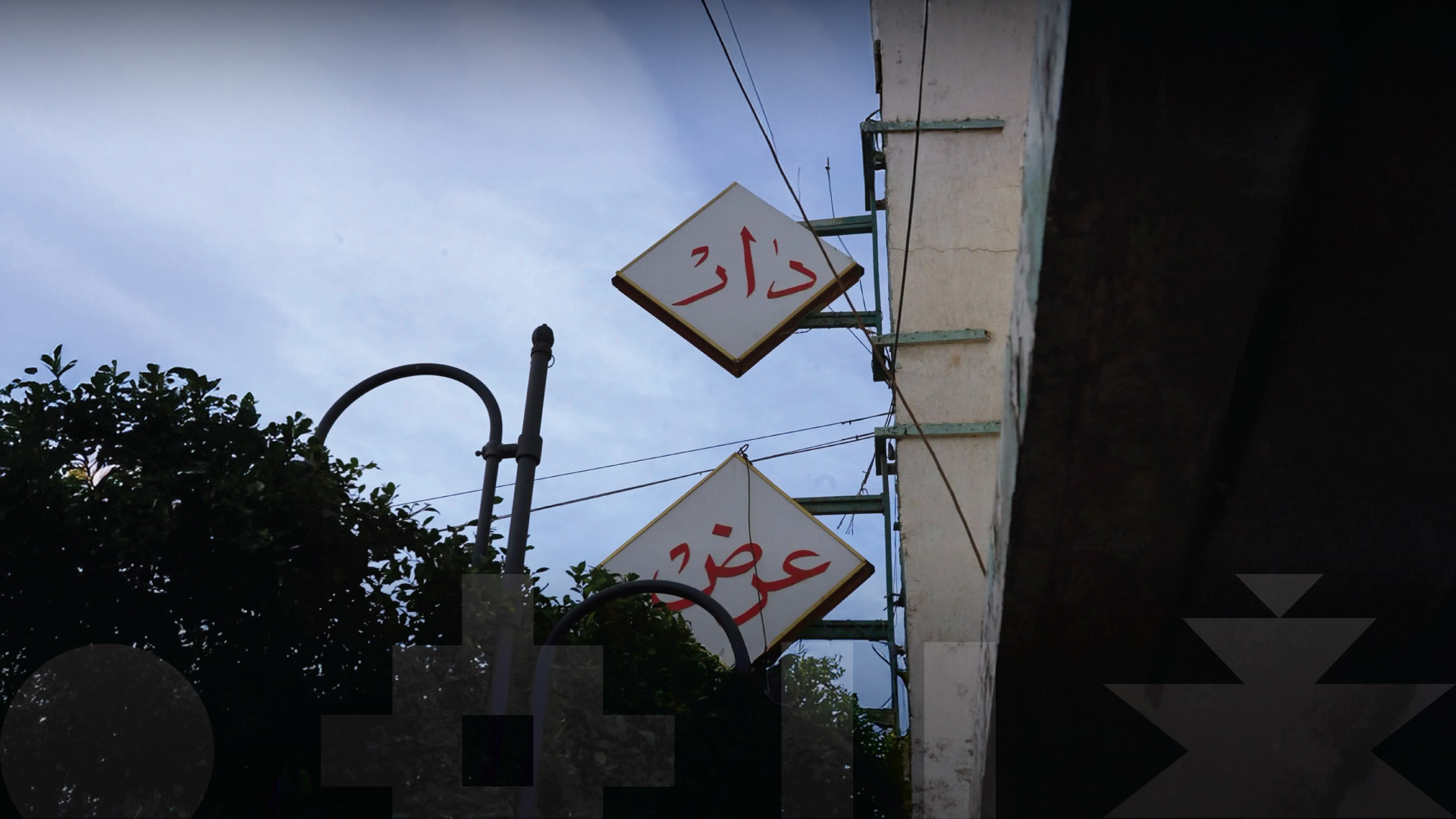
In Libya, there is an urgent need for films that rediscover cities from the inside. This should be done not through grandiose or showy scenes, but through the daily lives of people: the markets, the cafes, the old alleyways, and the subtle relationships that dictate the rhythm of life. It is these ordinary details that forge the identity of a place and endow a film with its human authenticity.
Global cinema has provided clear blueprints in this direction. A prime example is the work of Vittorio De Sica, who documented daily life in postwar Italian cities. In films like Bicycle Thieves, the streets of Rome transformed into a living space reflecting the struggles and intricate details of people’s lives. This approach demonstrates how art can protect visual heritage and make society an active partner in producing its cultural meaning.
The camera possesses the power to redefine our relationship with the city. A place we walk past every day without a second thought can transform on film into a space charged with meaning. Cinema does not alter geography, but it fundamentally changes our perspective of it. Therefore, filming the Libyan city is not just an aesthetic choice. It is a cultural act that restores the value of place as an integral part of our identity.
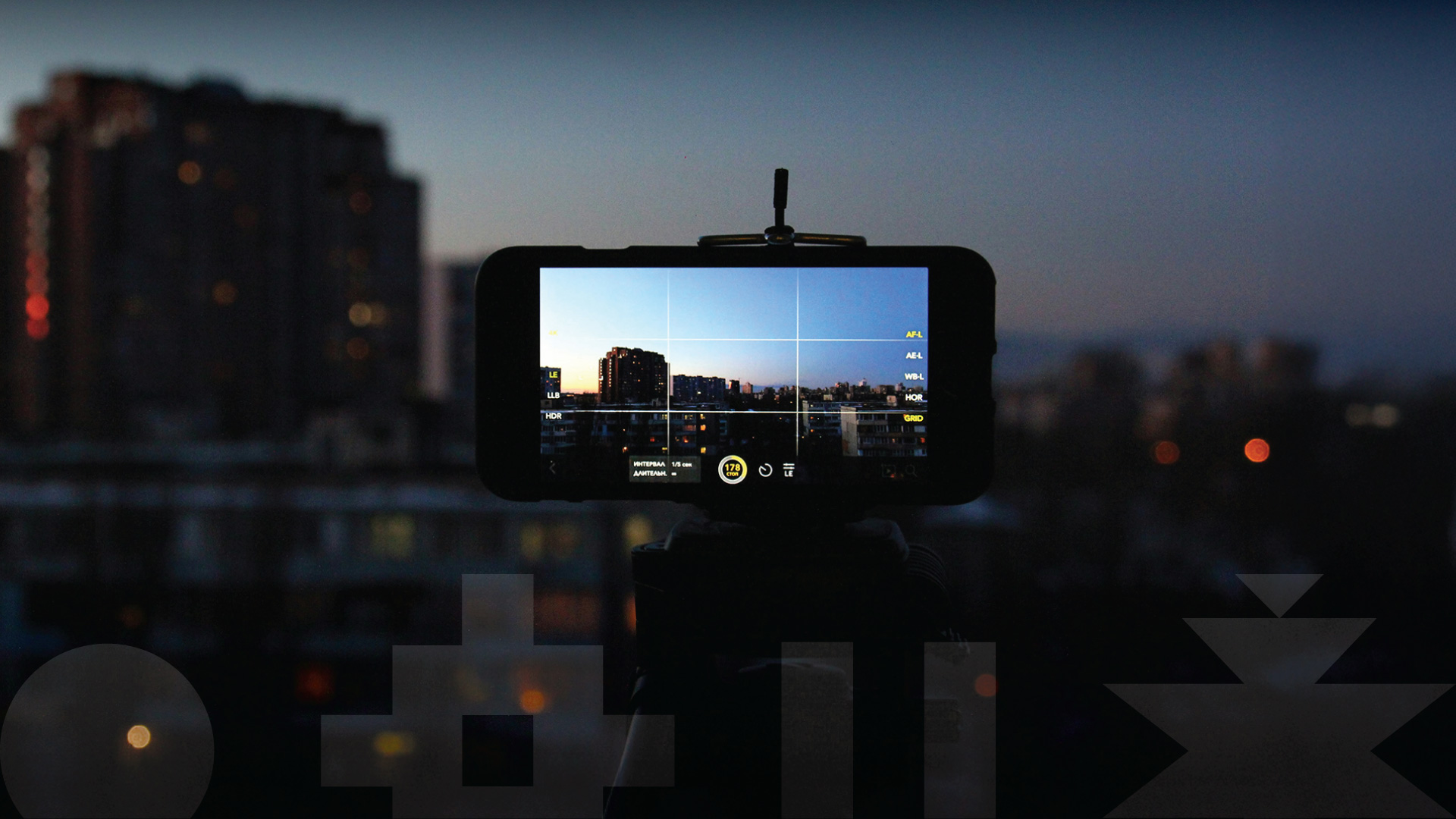
Today, with the emergence of new youth-led cinematic experiments, the signs of this shift are gradually appearing. Several short films are attempting to approach Libyan cities from a much more human angle, capturing minor details rather than sweeping, grand scenes. These attempts, though still limited, indicate a growing awareness of the power of place in cinematic storytelling.
The true future of Libyan cinema may well begin here: from rediscovering our cities through the camera. The goal is not to polish them or present a utopian image, but to tell the truth in all its complexity and beauty. Cinema is not merely a tool for artistic expression. It is a vital medium for preserving visual heritage and enhancing community participation in culture.
When the city finally becomes the hero on the screen, a new story begins, not just for the film industry, but for our everyday relationship with the spaces we inhabit.
Muhammad Ben Saoud