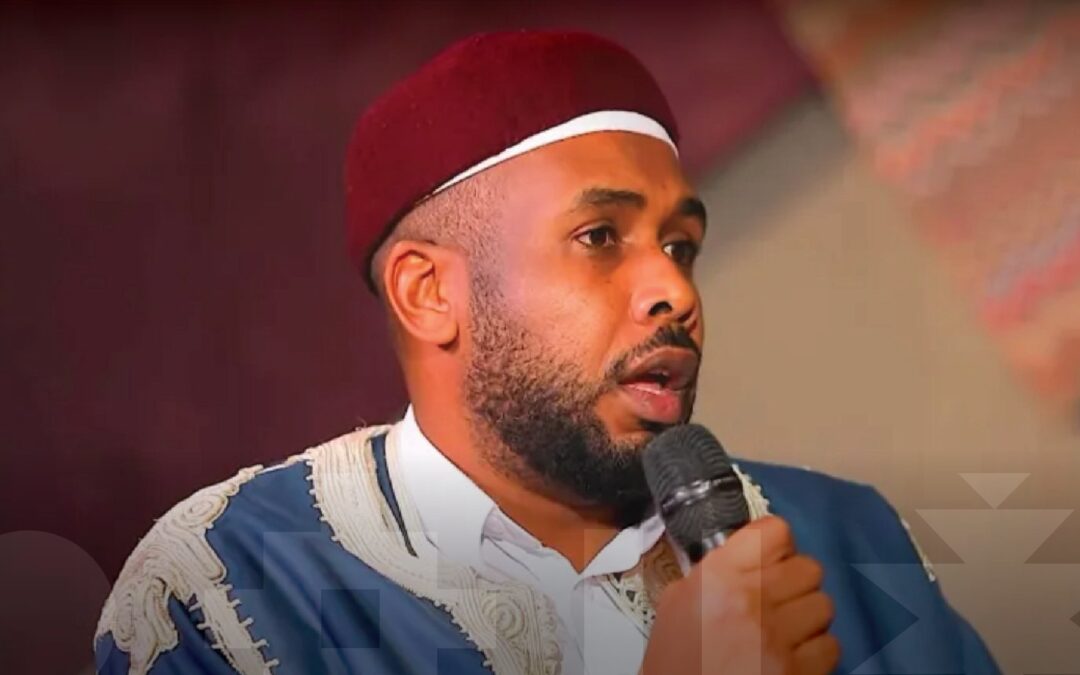
In this exclusive interview, we explore the cinematic journey of Libyan director Faraj Mayouf. We discuss his beginnings, his vision for cinema in Libya, and the obstacles he has navigated to produce local films capable of competing on an international level.
1- Let’s start by congratulating you on your career. We are familiar with some of your early work, but we would love to hear from you: What were your very first experiences in filmmaking?
Thank you. My first true experience was in 2011 with a documentary titled Child Revolution (Thawrat Tifl). The film explored the role of Libyan children during the revolution and how they interacted with the events with a mixture of innocence and maturity.
After that, I transitioned into narrative fiction with the short film Memories of the Past, which marked Libya’s first participation in the Alexandria Film Festival for Mediterranean Countries in 2012. I then directed Lost Hope, which addressed the tragedy of children infected with HIV during the Gaddafi era; this film won an award at the Libya Film Festival in Tripoli. Later, I completed 205, a film telling the story of students conscripted from their schools to fight during the Libyan-Chadian war in the 1980s. My most recent work is the short film Trace.
2- Starting with documentaries shows courage in tackling sensitive issues. Was this choice driven by a specific methodology, or did the Libyan reality dictate these themes?
Reality has always inspired me. To me, cinema is not a luxury; it is a mirror of the people. The issues we lived through in Libya – children, disease, and conflict – held stories that deserved to be told on screen. Cinema was the only platform available to address these wounds, so I sought to transform our suffering into a visual narrative that awakens the conscience.
3- You mentioned your film Trace, which won an award for Best Original Score with an entirely Libyan crew. What does this say about the potential of the film industry in Libya?
The score was designed by the late Libyan sound engineer Sami Elsheikhi, may he rest in peace, who played a pivotal role in the work. But importantly, we were an all-Libyan team, from cinematography to production and editing.
The film didn’t just stay local; it participated internationally in nearly 45 events. It screened at the Annaba Mediterranean Film Festival, won the music award at the Libya International Festival in Tripoli, took second place at the Wasit Festival in Iraq, and received honorable mentions in Egypt, the US, and at the Nouakchott Festival. It also won second place at the Benghazi Film Festival and participated in the Luxor African Film Festival and the Bahrain International Festival.
This experience confirms that Libyan talent is capable. However, it requires institutional support – such as training institutes, funding funds, and local cinemas – to give the Libyan film industry true continuity.
4- How do you view the role of the State and institutions in supporting the Libyan film industry?
I believe the State must realize that cinema is part of the cultural architecture of society. There is a need to establish film institutes, provide grants for new talent, and open screening halls.
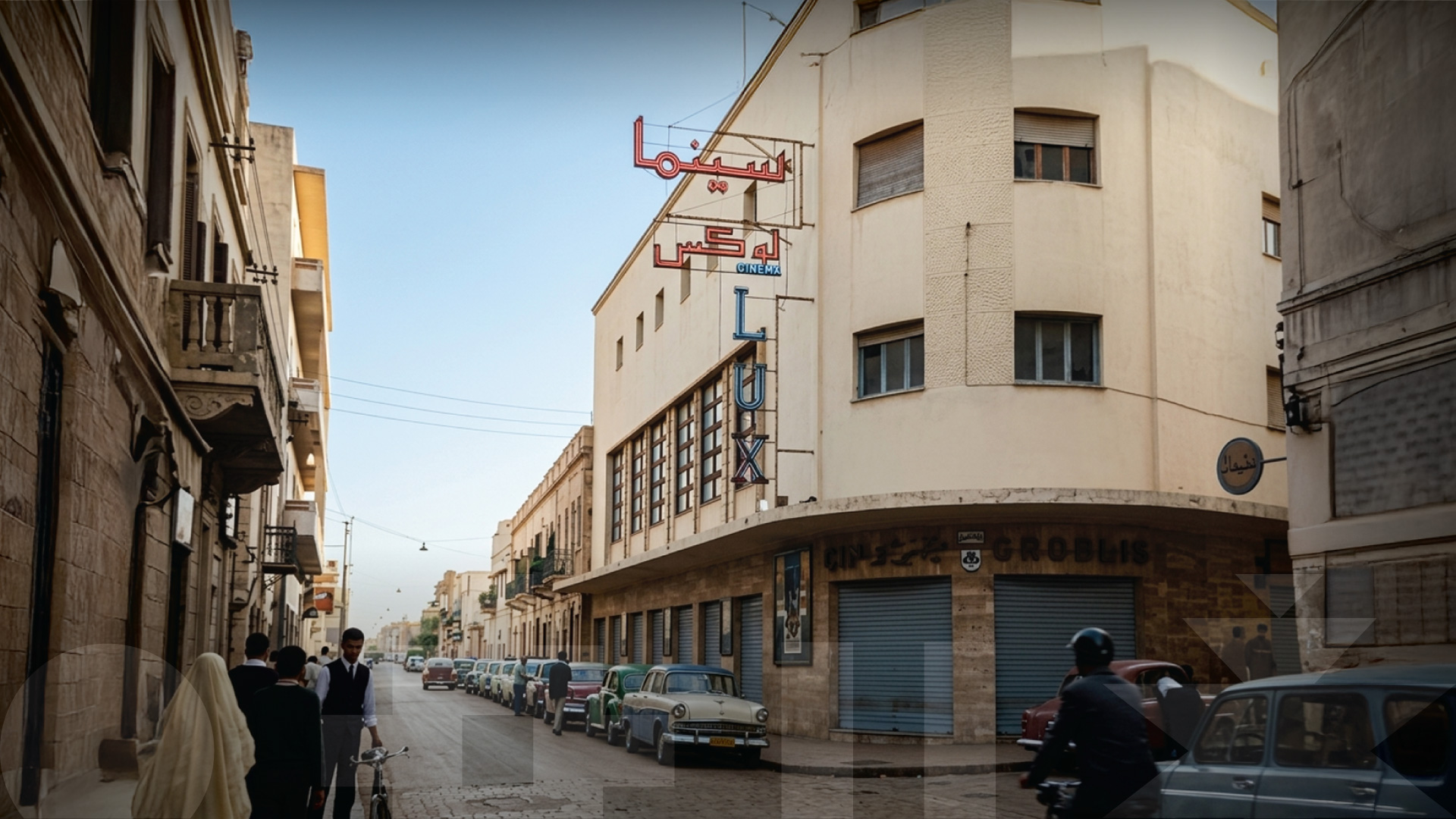
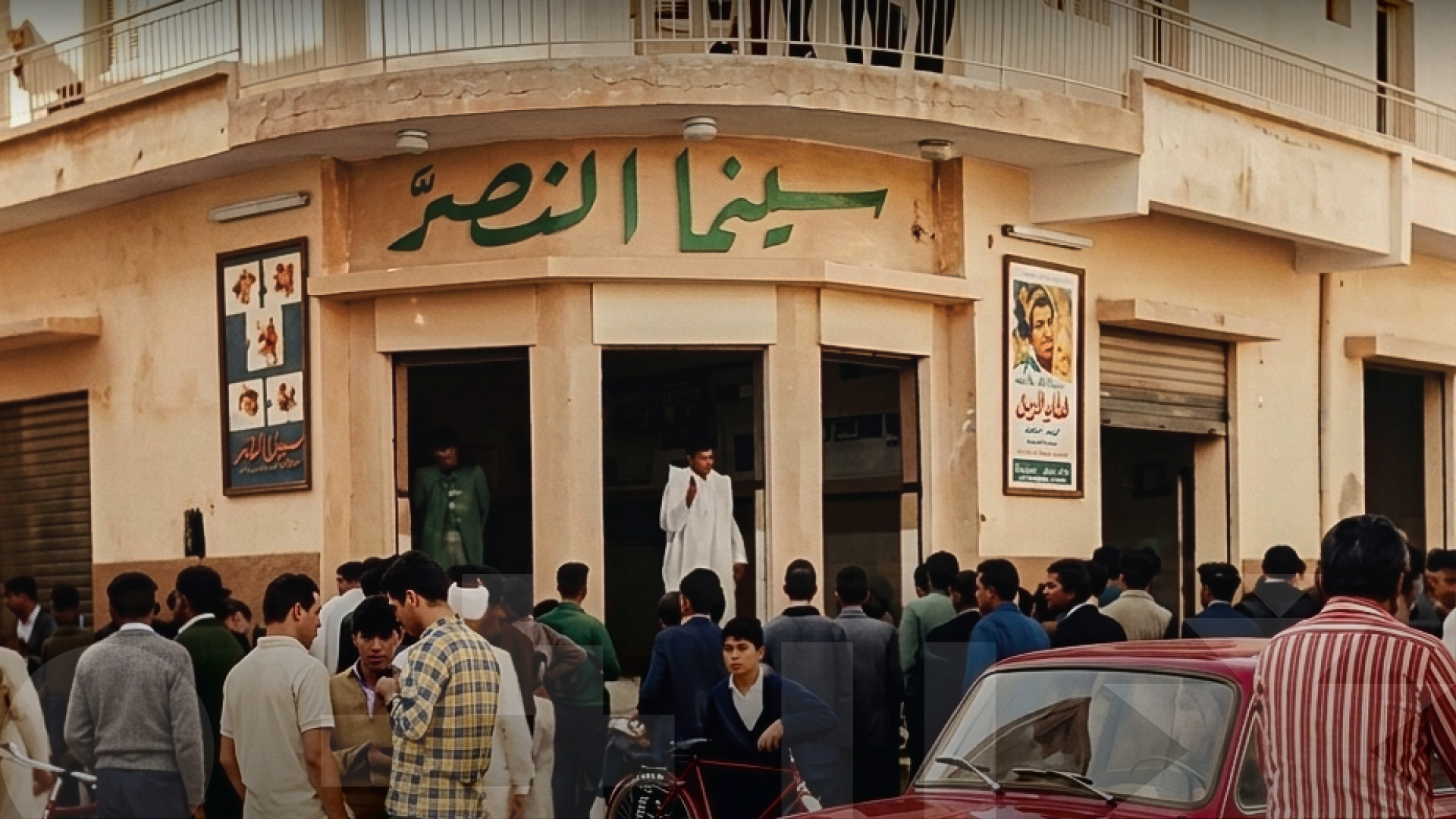
Without institutional support, passion alone is insufficient. We are currently working with self-funded efforts or minimal support, which limits our potential. Furthermore, the absence of movie theaters prevents the Libyan public from engaging with local productions. If a clear, consistent strategy were implemented over several years, we could witness a genuine renaissance in Libyan cinema.
5- Many consider 205 to be one of your greatest challenges. What difficulties did you face during its production?
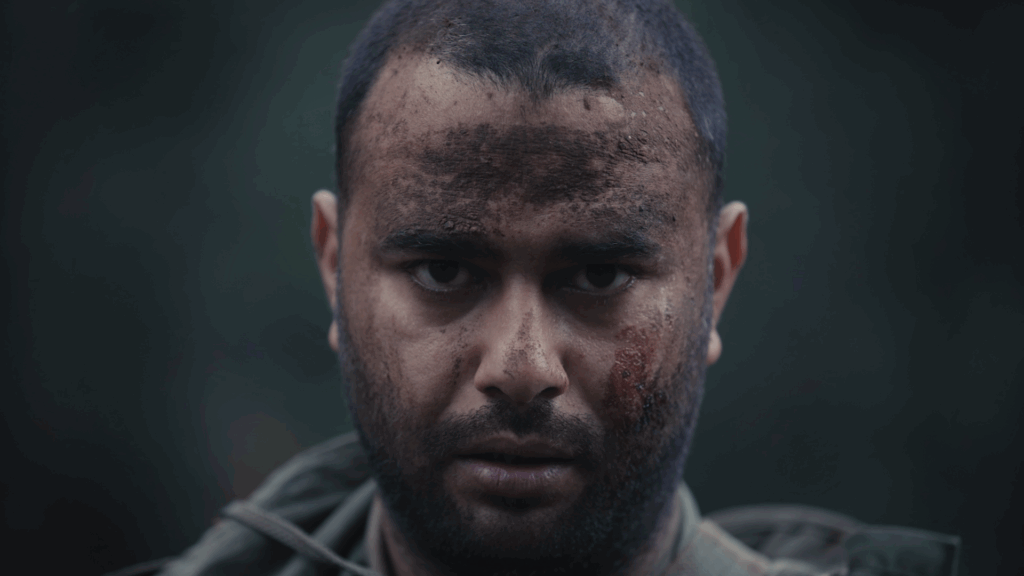
205 was a massive project logistically. It required a location with specific historical details, period costumes, and set design, all of which demand a high budget. We relied on personal resources and trained a young team with limited experience.
The challenge was also in conveying the message to the audience, as the story was human rather than political. Ultimately, we succeeded in delivering the film, and I believe it stands as an example of what we can achieve even under difficult circumstances.
6- Last year saw the launch of the Libya Short Film Festival, but unfortunately, it did not return this year. What is your take on this?
It is regrettable that this happened. Festivals require continuity; they cannot be just a single edition. Without a clear multi-year plan, we cannot build a permanent platform for young filmmakers. Continuity plays a huge role in encouraging production and giving hope. I believe we need a national strategy that supports festivals so they can become a permanent pillar of Libyan cinema.
7- Today, we see a new generation of Libyan filmmakers entering Arab and international festivals. Is there a bond between you all?
Yes, there is a genuine connection among the young generation of filmmakers. We meet at various festivals and cinematic events. What unites us is a passion for cinema and a desire to build a strong industry in Libya.

8- Problems like lack of funding and cinemas are often discussed, but solutions are rarely asked for. How can civil society or intellectuals contribute to fixing this reality?
Civil society can contribute, but it cannot build a complete industry on its own. Real support must come from the State through a clear strategy and funding bodies.
By blending the efforts of national institutions, funding, cinemas, and youth training, we can build an independent and sustainable film industry. Additionally, providing grants to creatives and organizing local and smaller festivals that remain active can inject vitality back into the cinematic scene.
9- We’ve heard recently that you are preparing for a new drama series, as well as new films. What does the future hold for your work?
Yes, I have three film projects currently on hold. I am working on starting the filming of a project that was long delayed due to funding. There is also a feature film script that was written some time ago but remains stuck on paper due to the difficulty of securing production. However, I remain optimistic: if support is found, I believe these experiences will soon find life on screen.
10- Some directors switch between TV drama and cinema. Is this your choice, or do circumstances dictate this shift?
Moving between drama and cinema is often dictated by the reality of production. TV drama is sometimes easier financially and offers a faster way to connect with the local audience, whereas cinema requires greater resources and deeper effort. However, I see opportunity in both: Drama allows us to get closer to the Libyan public, while cinema allows us to deliver deeper messages and document our reality.
11- In conclusion, I would like to thank you for this open and transparent dialogue. Do you have any final words you would like to add?
Thank you for this opportunity. I would like to commend the efforts of the Libya Film Institute in providing spaces for dialogue and cinematic production. Today, we have talented directors and noteworthy experiences on both local and international levels. This gives me hope that Libyan cinema can be a true voice for our issues.
I hope that relevant authorities continue to support these talents, and that the world looks at Libyan cinema not as a supplementary participant in festivals, but as a key guest offering deep and honest narratives\
Shayma Tabei