
Once, my brother and I had a long discussion about the rejection of technological progress. He noted how some people view it as a direct cause of moral decay, a waste of time, and the corruption of younger generations. Some even try to prove their superiority by boasting about their ability to live without social media. This perspective intrigued me because technology, at its core, is nothing more than a tool. Tools should not be condemned in themselves; instead, they should be evaluated based on how humans use them. Reducing the problems of an entire generation to the existence of technology is a flawed simplification that ignores the deeper root of the crisis: how do we use these tools, and what values guide that use?
Talking about social media or technical advancement as the direct cause of a generation’s distraction is an incomplete argument because it addresses the result rather than analyzing the mechanism. How can one address the problems of an era by rejecting its tools? It is like trying to understand the world without knowing its language.
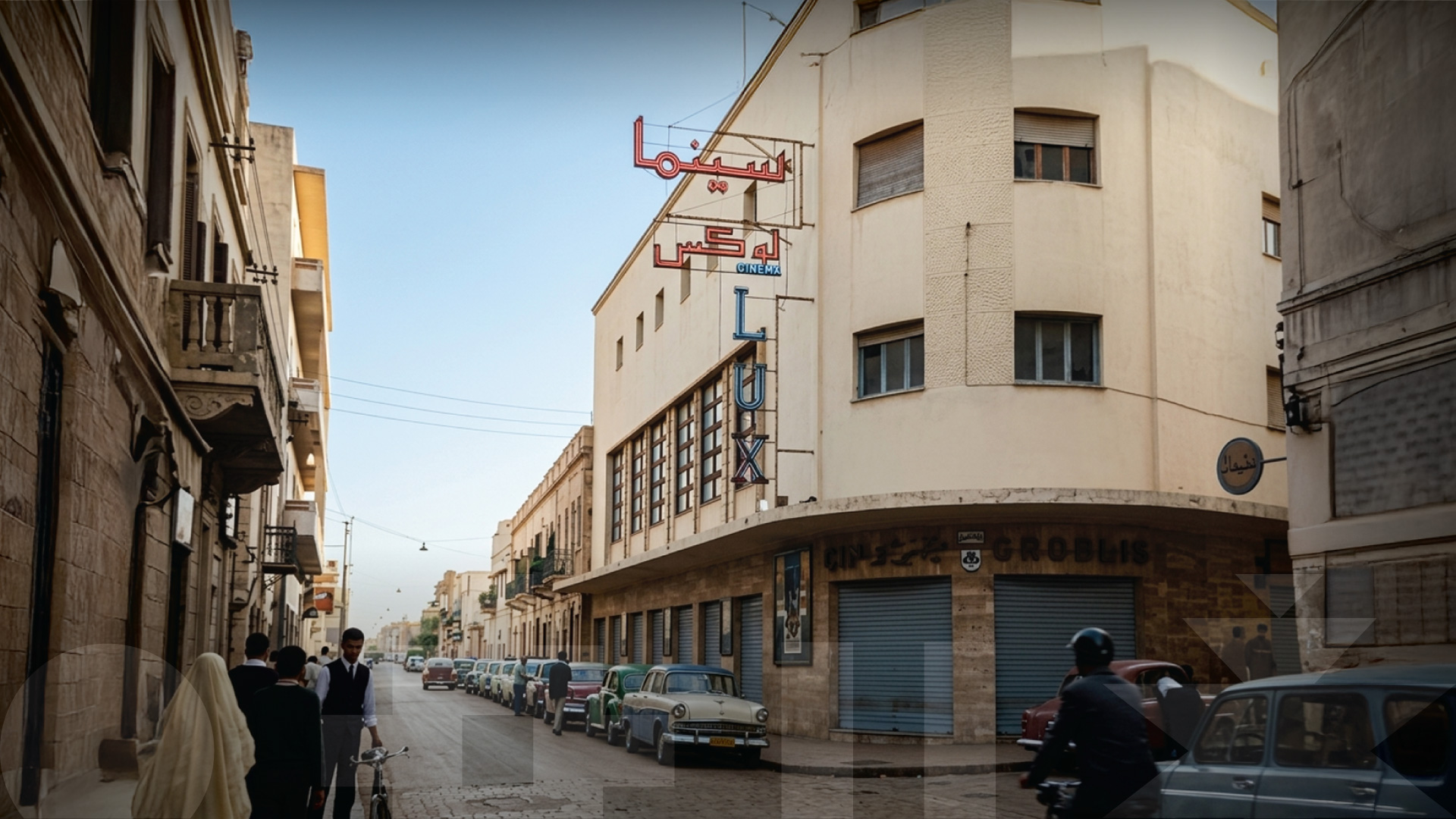
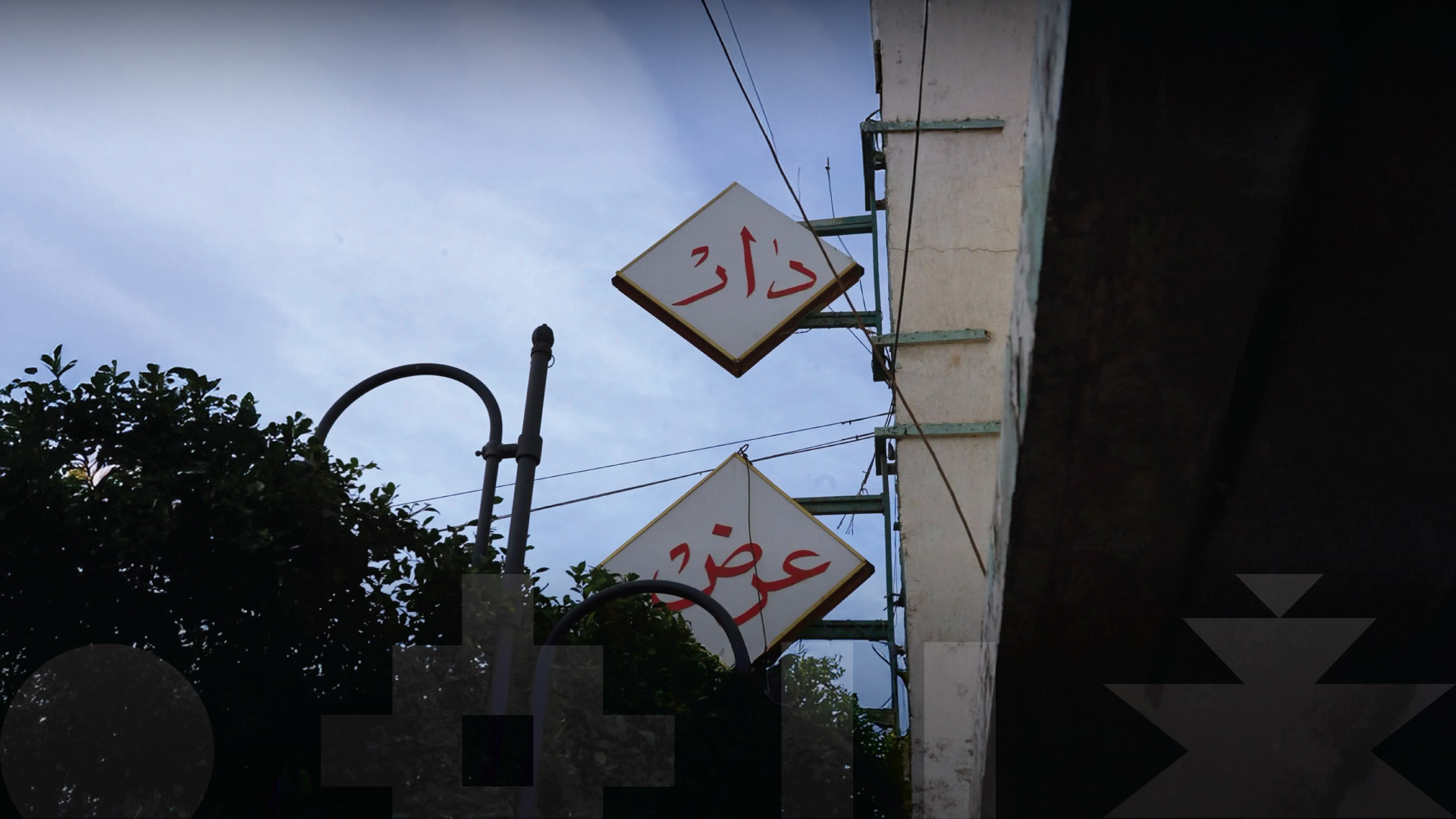
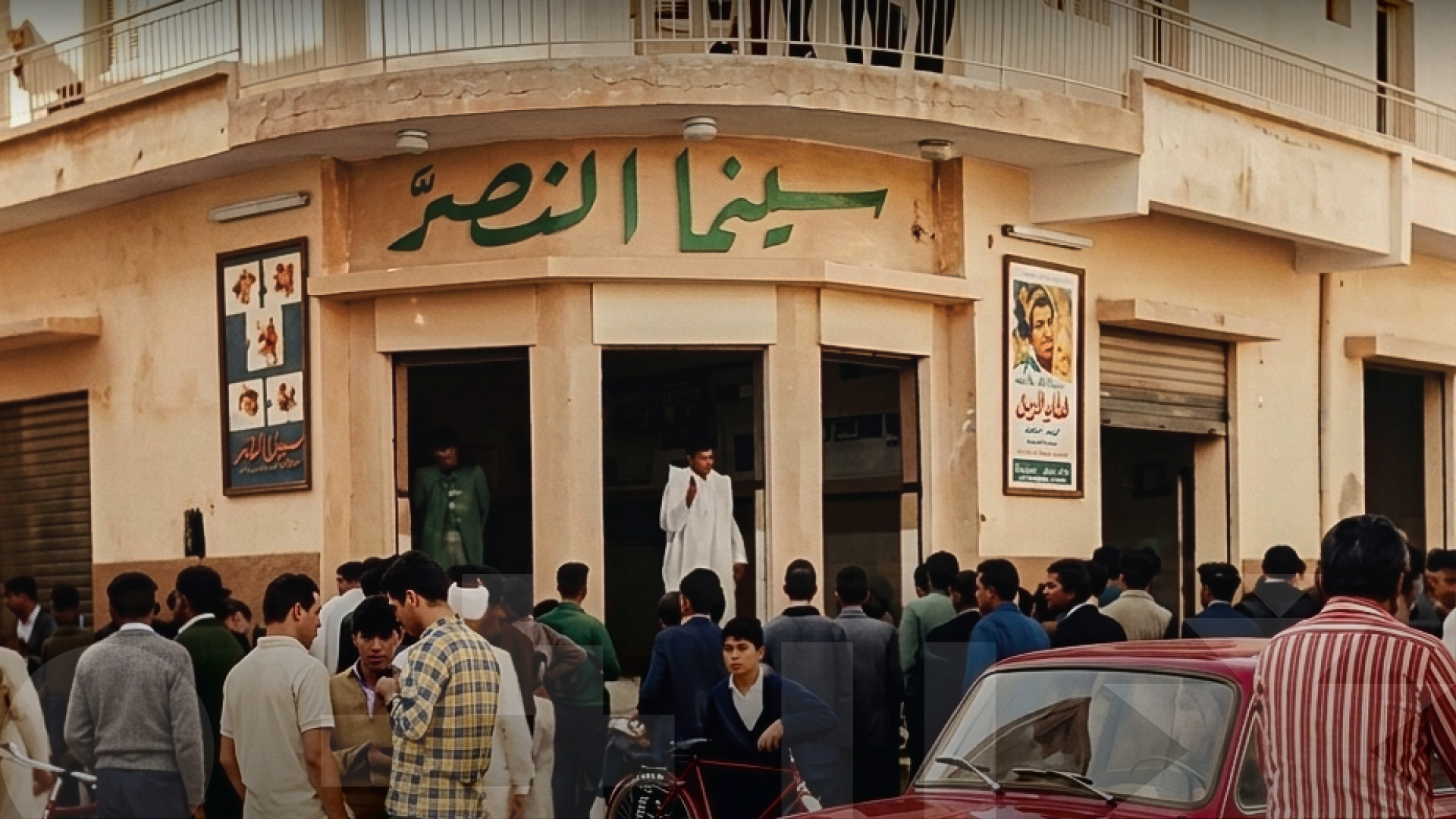
This same logic applies to society’s stance on cinema. The problem was never cinema as an art form. Instead, the issue was the social image associated with it in certain societies, like Libya. During specific periods, cinema halls were linked to behaviors or environments that were unacceptable to certain segments of society. Consequently, this rejection was generalized to include the medium itself: the traditional form of cinema consisting of a hall, seats, a screen, and a ticket booth.
This reveals what could be called a cultural stigma. It is a total judgment passed on a tool because of a specific, partial context. No distinction was made between the content being shown and the venue itself, nor between the artistic experience and any external practices surrounding it.
This confusion is not just a social misunderstanding but a silent confiscation of a cultural right guaranteed by Article 27 of the Universal Declaration of Human Rights. The danger is that this deprivation was not imposed by a decree that could be protested; instead, it crept in through a silent cultural stigma that made the absence of cinema feel like a normal state of affairs.
Over time, this separation deepened. When screening halls disappear for a long period, their absence is no longer questioned as a loss. It becomes the status quo. A whole generation has grown up without ever entering a cinema hall or experiencing that collective viewing that forms a part of cultural consciousness in other societies.
This generation does not necessarily reject cinema, but they simply do not see it as a daily option or an important part of life worth fighting to restore. In this case, absence does not produce a stance; it produces a vacuum.
The striking paradox is that this physical absence coexists with a massive consumption of films online. People are watching, following, and being influenced by movies. They are even forming their own cinematic tastes, but they do so outside the traditional framework of cinema. This clearly reveals that the problem was never about accepting the art itself, but rather the way it was presented.
Cinema did not disappear from people’s lives entirely; it only changed its medium. This is precisely where cinema through platforms and open spaces emerges, not just as a temporary alternative but as a qualitative shift that redefines the relationship between the filmmaker and the audience.
In my opinion, even if this shift seems sad because it signifies the disappearance of a unique and essential experience in people’s lives, the liberation of cinema from being a hostage to dark halls and massive screens has made it a flexible experience. It is now personal and collective at the same time, accessible from anywhere.
When I imagined this transformation, I decided to research its potential effects on the reality of filmmaking in Libya. I discovered that cinema through platforms and open spaces does not just compensate for the absence of screening halls; it solves the problem at its roots. The crisis in Libya was not so much the absence of cinema as a physical place as it was the absence of the experience itself. By closing cinemas for so many years, we did not just lose a venue; we lost the audience’s relationship with film, the accumulation of expertise, and the continuity of production.
For a Libyan filmmaker, this shift means they no longer need to revive an old model that no longer exists in Libya, nor do they have to fight an entire system that views cinema only as a threat to its cohesion. Instead, they can start from an entirely new point. Rather than waiting for the return of screening halls to make a full film under traditional conditions, they can work within a flexible, open environment that allows them to reshape their experience gradually. In this way, life returns to cinema even in the absence of its traditional institutions.
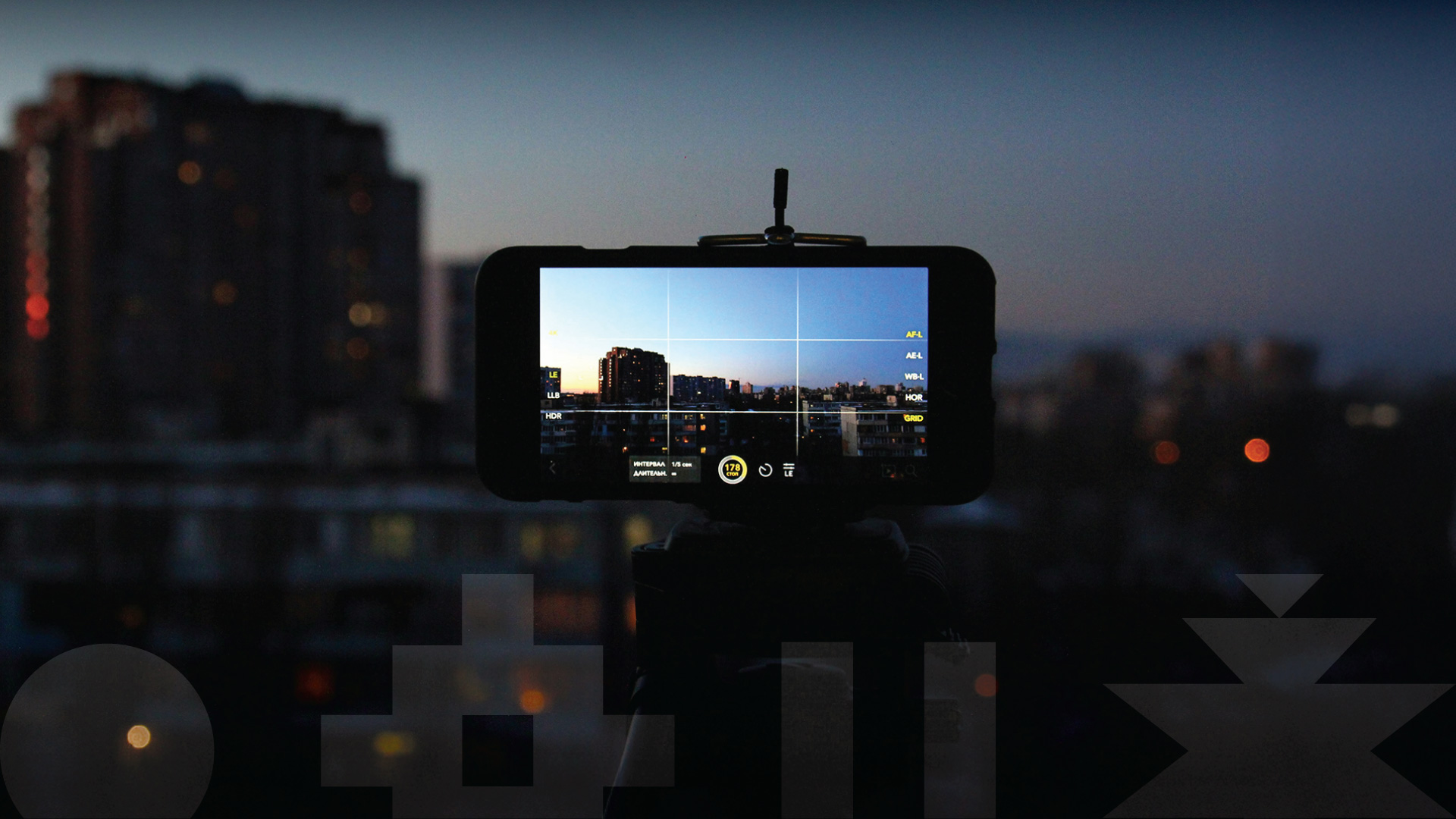
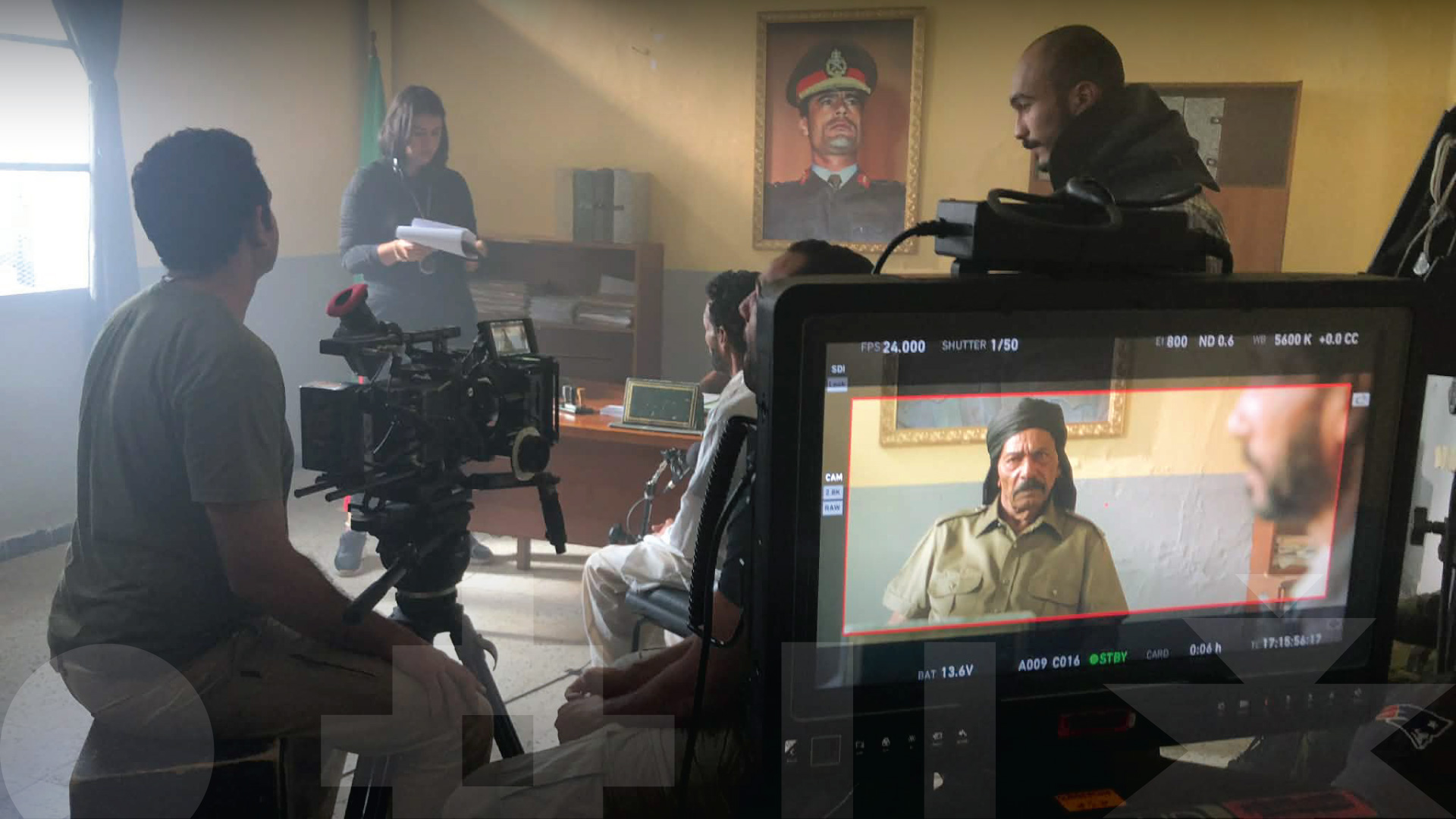
Filmmakers can begin with what is already available rather than waiting for the ideal. They can view a smartphone or a simple camera as a true starting point rather than an obstacle. Furthermore, non-traditional spaces like social media are no longer just a means of display; they have become platforms for testing, building an audience, and forming an artistic identity for those who dare to use them with awareness and consistency.
This transformation does not only offer the Libyan filmmaker practical solutions. It can also reshape their creative thinking from the ground up. More importantly, it instills a mindset of continuity and the drive to create beginnings rather than waiting for perfect conditions. The filmmaker moves from being a mere recipient of an opportunity to the creator of one. In the absence of a clear institutional cinematic archive, this environment allows for the gradual accumulation of a Libyan visual memory created from the details of daily life. This strengthens the presence of local stories that were once marginalized. At that point, local specificity can turn from a point of weakness into a source of true distinction.
Consequently, a lack of support does not become a reason to stop; it becomes a motive to redefine the meaning of production itself. A film can be born, develop, and spread without waiting for official recognition or a large budget.
Ultimately, it is clear that the problem was never technology or cinema, but the way we dealt with them. Crises are not solved through absolute rejection, fear of experience, or waiting for the perfect start; such actions only delay understanding. Conscious adaptation is what opens the door to repurposing tools in our favor to achieve what we have always sought.
Between a cinema whose halls have disappeared and whose seats people have forgotten, and a cinema born on small screens in a different environment, there stands an important moment. It gives us a chance to rethink not what we reject, but how we use what we have.