1
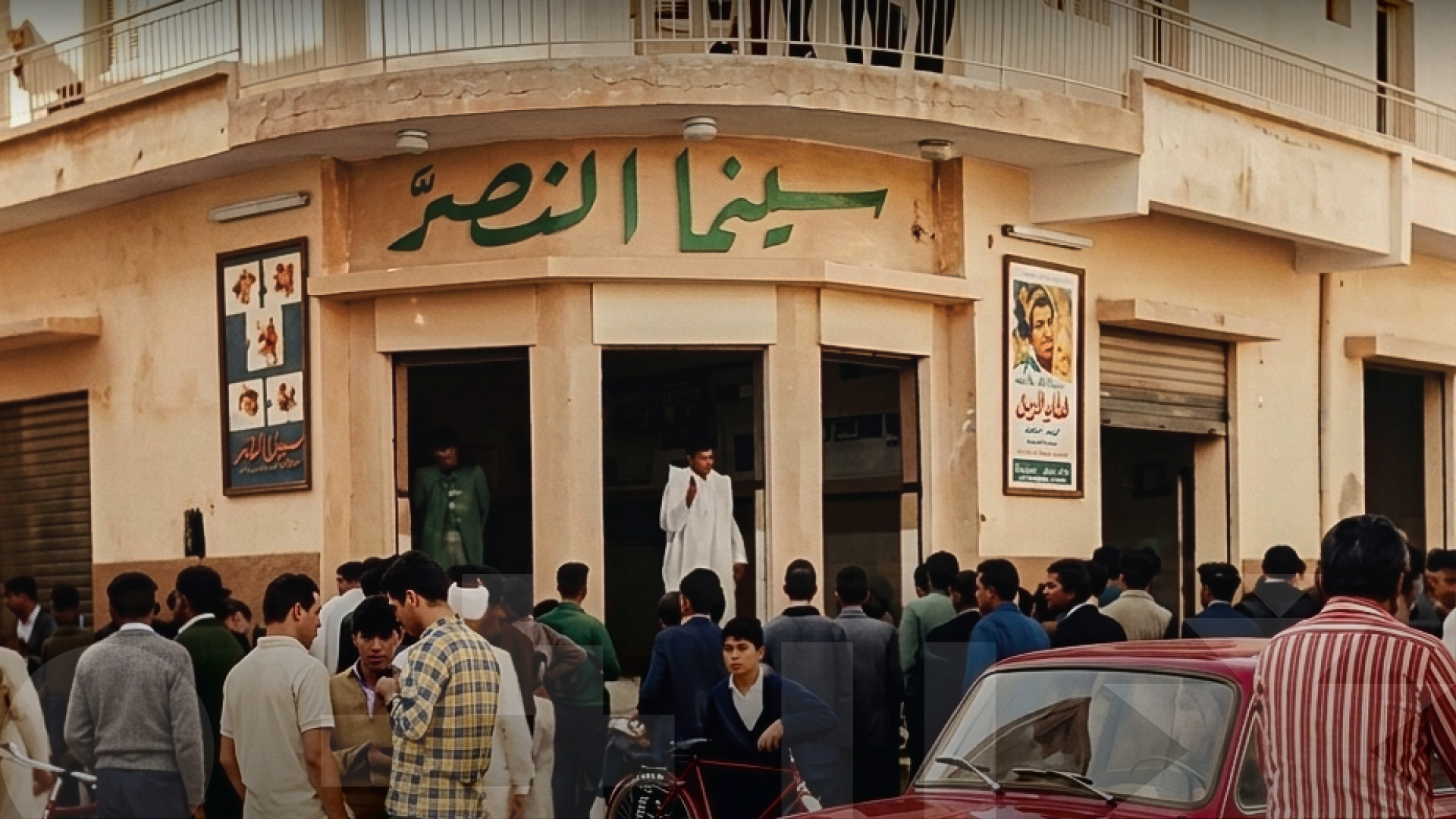
I have often hesitated to publish selections from my memoirs on this blog. Perhaps I feared confronting the memories that shaped my identity as a filmmaker in an environment that views cinema only as a luxury or a waste of time. I discovered early on that cinema in our country is not a luxury. In my view, it is an urgent human need. It is the mirror in which we see both our flaws and our beauty, and it is the most powerful tool for educating people about their rights.
My decision to enter the world of cinema was not just a career choice. It was an early confrontation with a social system that glorifies the colleges of medicine and engineering. I remember that critical moment vividly when I was trying to choose my university major. As soon as news spread of my desire to study cinema, specifically directing and screenwriting, my family went on high alert. Some relatives even visited our home specifically to try and stop me, as if I were about to destroy my future with my own hands.
Yet, despite the pressure I felt, I remember a single response from my late father that settled everything and silenced those present. He said with a confident tone, “I will not interfere in your choice of study, but I will hold you accountable only if you fail.” His words gave me the right and sufficient support to pursue my passion without fear of the reactions around me. He placed me in a challenge with myself to prove to everyone that my choice was not an act of recklessness.
2
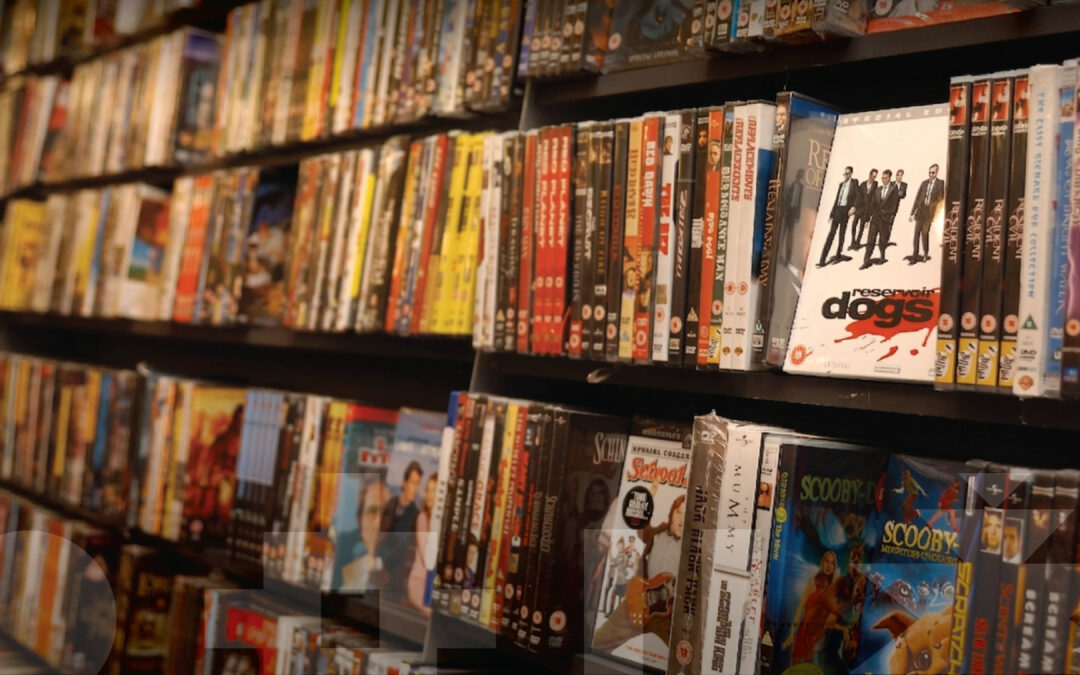
My true perspective on films was not formed inside lecture halls or cinemas, which were mostly unavailable. Instead, it was born behind a counter at a film store on Gamal Abdel Nasser Street in Tripoli. There, in 2010, I had a priceless opportunity: the right to watch hundreds of titles for free. Amidst that passion, my father strengthened his support with an unforgettable gesture. He bought me my first professional camera in secret, without my mother’s knowledge, to be the first tool of my dream and the primary motivation to study cinema academically.
I entered The Advanced Institute of Art Techniques in Tripoli with big dreams and a desire to learn everything about the industry. However, I was struck by the reality of weak curricula that failed to keep pace with the development of the field. The focus was excessively on outdated theoretical methods. Despite this, there were bright moments. I remember our immersion in Italian Neorealism, which touched me with its honesty, and the enchanting worlds of director Federico Fellini.
Even with the overall poor teaching standards, I cannot forget the professor of the Viewing and Analysis course. Although his teaching abilities were modest, his absolute love for the cinema of Alfred Hitchcock was my only benefit. He would simply turn off the lights, screen the films in total silence, and leave the hall until the screening ended. He would then return and say, “You may leave, the lesson is over.” This gave us an instinctive ability to analyze the language of suspense without formal instruction.
I was one of the lucky ones. In the period following the revolution, specifically between 2012 and 2014, I received intensive training with international institutions, most notably the Scottish Documentary Institute. This experience sharpened my tools before the security situation collapsed following the “Operation Libya’s Dawn” events. Opportunities stopped, and international training disappeared completely. Searching for any new horizon for self-development required traveling abroad.
The biggest shock came after graduating in 2015 when I faced a job market that did not recognize the title of filmmaker. I was forced to work hard personally to stay in the field. Because independent filmmaking did not generate an income, I spent my years working as a photojournalist with local and international agencies, a photographer for events, and in television programs and channels to ensure a source of income. This work was merely a means of professional survival for me until the moment of real transformation arrived.
3
This transformation happened during the COVID-19 pandemic. I was part of a group of creators and activists in a voluntary movement to face the crisis. During our activity, the idea arose to cooperate with an institution to produce awareness films. However, we were surprised to find during our search that there was no non-profit organization in Libya at that time dedicated exclusively to cinema and filmmaking operating from within the country.
From this institutional vacuum and out of the heart of field work, the idea for the Libya Film Institute (LFI) was born in 2021 as an independent initiative to bridge this gap. We wanted to create a specialized environment that the country lacked. We began by organizing film screenings and workshops and producing films that touch our reality, believing that cinema is the mirror that reflects our identity and makes our voices heard.
Today, despite everything, I find myself facing a new chapter. Since moving to the Netherlands two years ago, I felt as if everything I had started had returned to square one. The competition here is much higher, and the challenges are completely different. However, I hope to develop my skills and benefit from the expertise available here.
My ambition is not to stay away, but to return to Libya one day, carrying more tools and greater professionalism to make better films that are worthy of our stories and contribute to building a collective consciousness that rejects marginalization. My sense of responsibility toward my country and toward the effort we started at LFI is stronger than any feeling of exile.
May God have mercy on my father, because of him, this journey began, and it continues wherever I am.
Samer Alamri