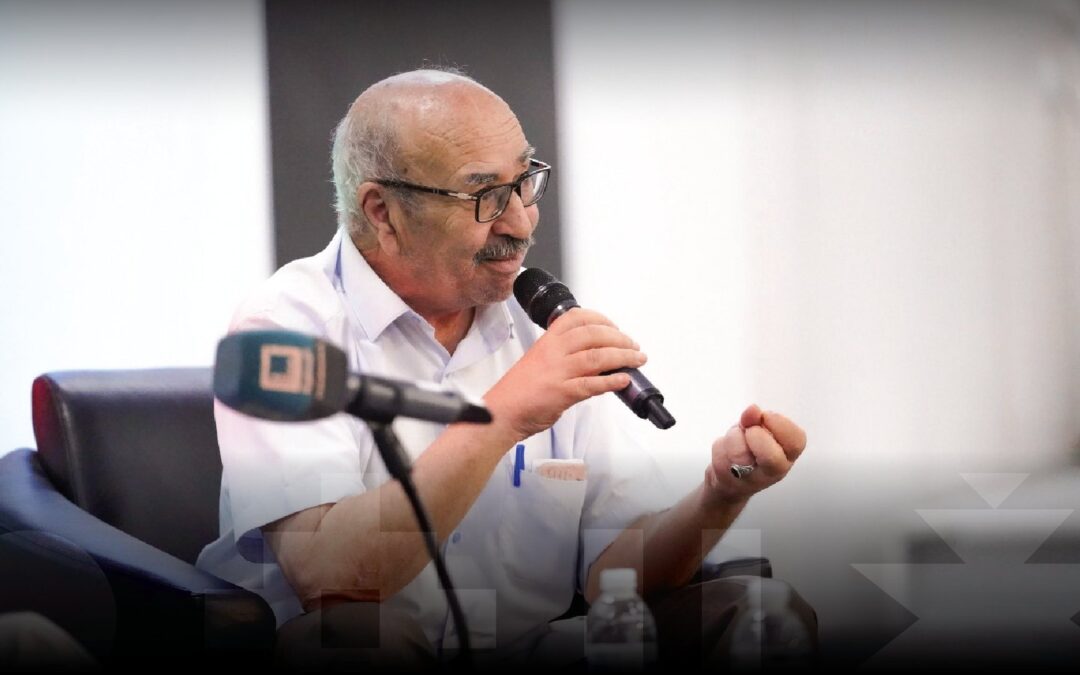
Abdellah Al-Zarruq is one of the foundational pillars of film directing in Libya. Born in Tripoli in 1952, he began his career as a theater prompter before joining the Libyan Theater Troupe. He later worked at the General Cinema Organization and then served as the director of the National Center for Cinema, under the General Authority for Cinema, Theater, and Arts. He has contributed numerous films to Libyan cinema, in addition to many television series.
In a conversation with the Libya Film Institute blog, Al-Zarruq spoke about his journey in filmmaking and how the encouragement of his supporters raised the ceiling of his ambitions, helping him become one of Libya’s most prominent directors. He has produced more than 20 films despite significant challenges and a lack of financial support, driven by his belief in cinema’s impact on society—an art form that, regardless of ideas or ideologies, fights for a better world.
1- How did you take your first steps into cinematography?
Ever since I was sixteen years old in 1967, I have been practicing cinematography with a Super 8mm camera. I would film all the events in the city of Tripoli and show them to my neighbors, family, and friends. It became my life’s dream to be a filmmaker. In 1968, I founded the Arab Amateur Cinematographers’ Union within the Libyan Theater Troupe, and that was the real starting point of my journey.
2- What do you consider the most significant milestones in your life?
When the producer Ali al-Haloudi offered me the chance to work with him on the film When Fate Becomes Hard, starring Omar al-Shwerif, Zahra Mesbah, and Abdullah al-Shawash. I was overwhelmed with joy to take that first professional step, which I consider a bold and crucial leap for my dreams. The encouragement and solidarity from my fellow artists were incredibly important and effective, and they raised my ambition to produce a purely Libyan cinema.
3- How many films have you directed?
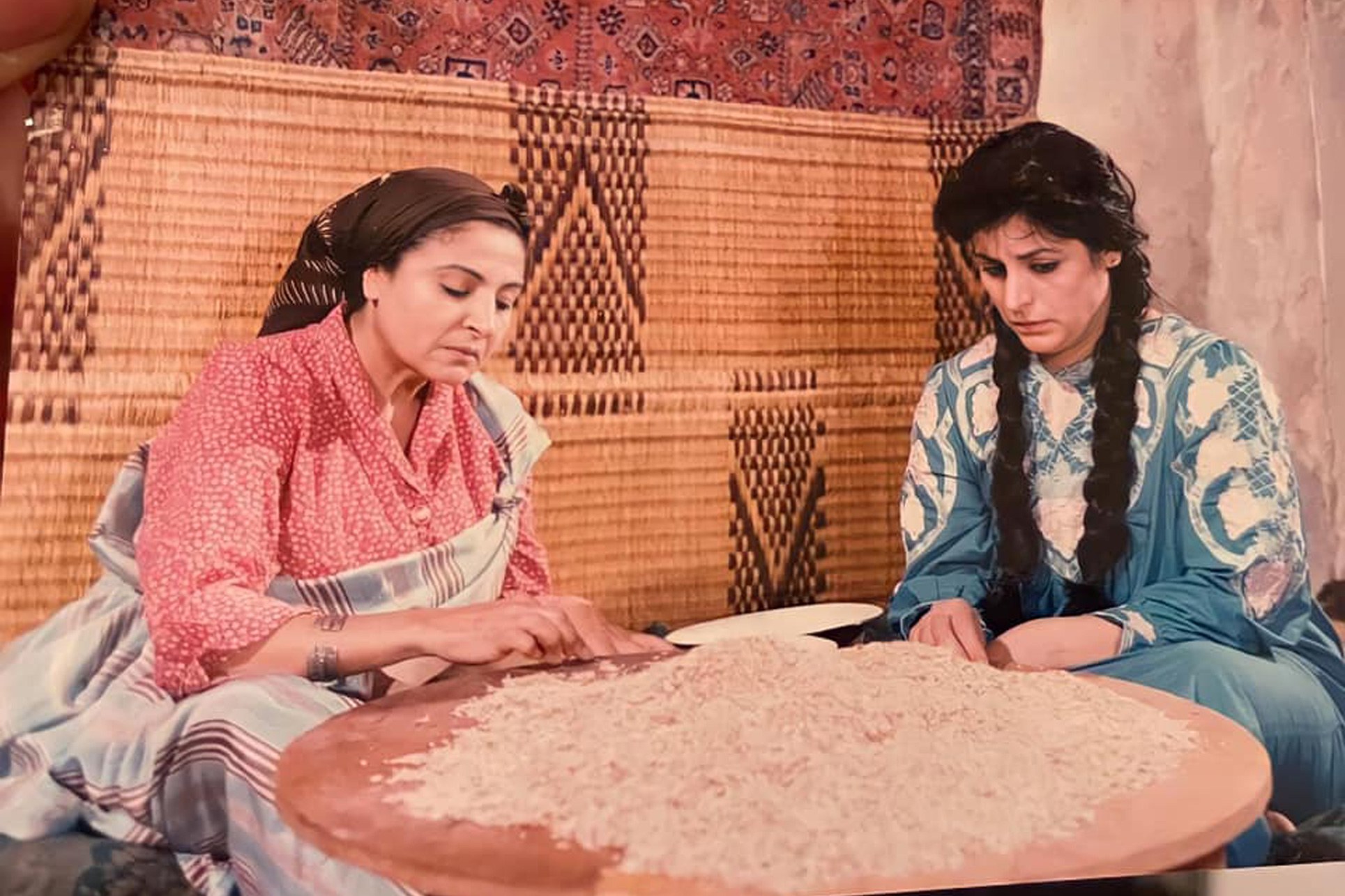
I have directed 22 films for Libyan cinema, including: Defeat of Darkness, Autobiography of a Cigarette Seller, The Exiles, The Sun Will Not Set on My City, Verses from an Epic of Love, The Wings, Little Dreams, and Symphony of Rain, among others. I have also directed television series like And Fate Willed It and Certainty, as well as television films such as The Wall, The Other Side of the Moon, Scent of the Night, The Ceremony, and Jasmine Flower. In these works, I explored women’s struggles for a better life, social problems, and dreams for the future.
4- How do you describe art and cinema?
Cinema is the weapon of the century; it is the most powerful art form of our time. There is no other art that can penetrate the world, spread ideas, and fight for a better world—regardless of differing ideas and ideologies—as cinema can.
5- Some people see cinema as an art form with no real impact. What is your response to that?
That is incorrect. If you look at global cinema, you’ll find that it generates profits exceeding those of massive factories, thanks to the technology used to produce films. I was honored that my film When Fate Becomes Hard was one of the first drama films in my country. We did it to open all doors for our creators to reach the world and present our ideas, because we are an important part of the world, and the world must get to know our culture, traditions, and customs.
6- What is required to advance Libyan cinema?
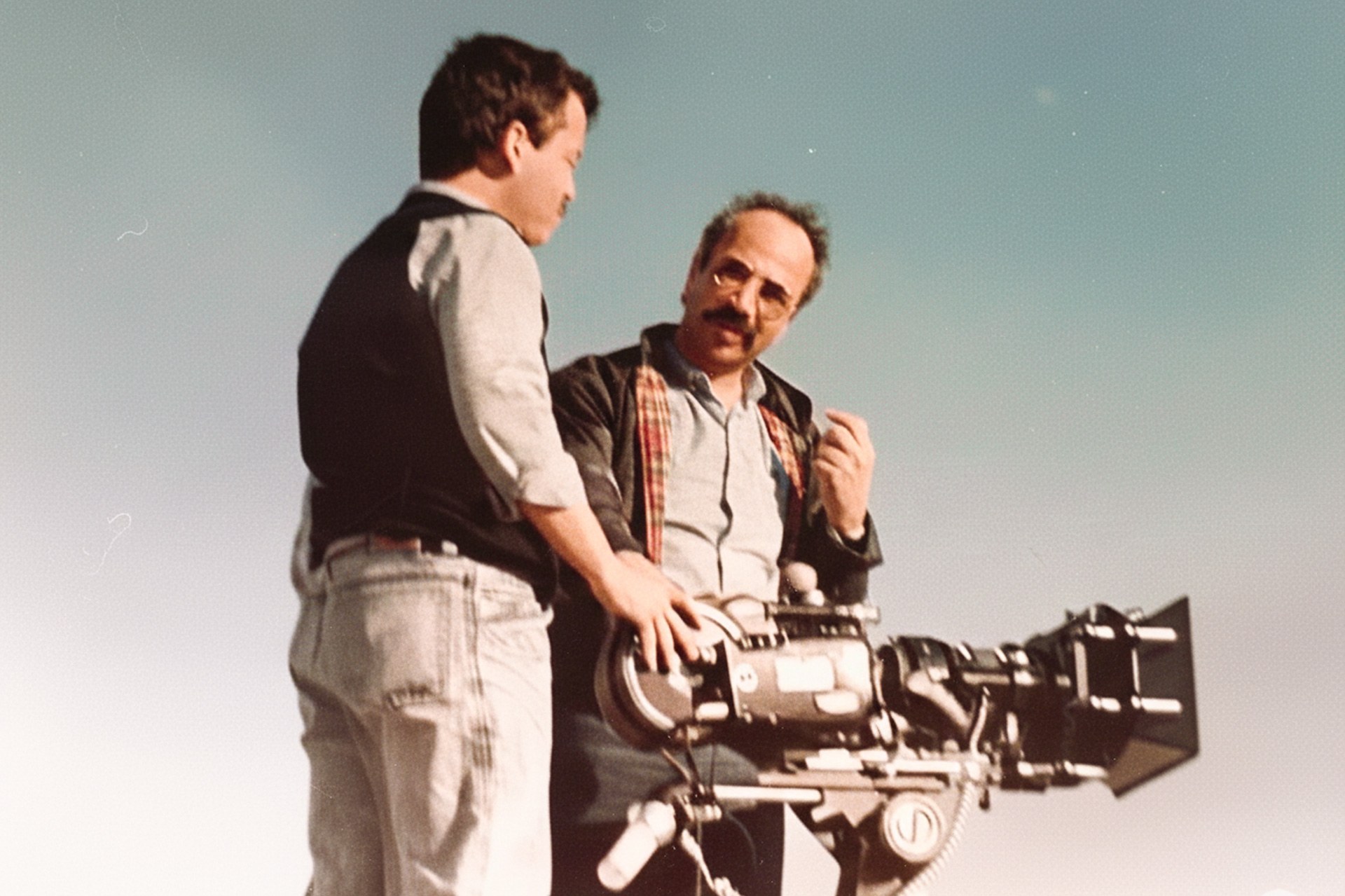
Film production requires large budgets for equipment, whether renting or buying. This is what has been behind the delay in Libyan film production for so many years, especially after Libya once possessed the latest technology in the 1970s. Now, with technological advancements, renting equipment has become extremely expensive. The role now falls to the General Cinema Authority to provide modern equipment and contribute budgets to elevate the seventh art.
We were fortunate in the old days to be able to produce our films and achieve our dreams. Now, things have become much more difficult.
7- Does Libya have real movie theaters?
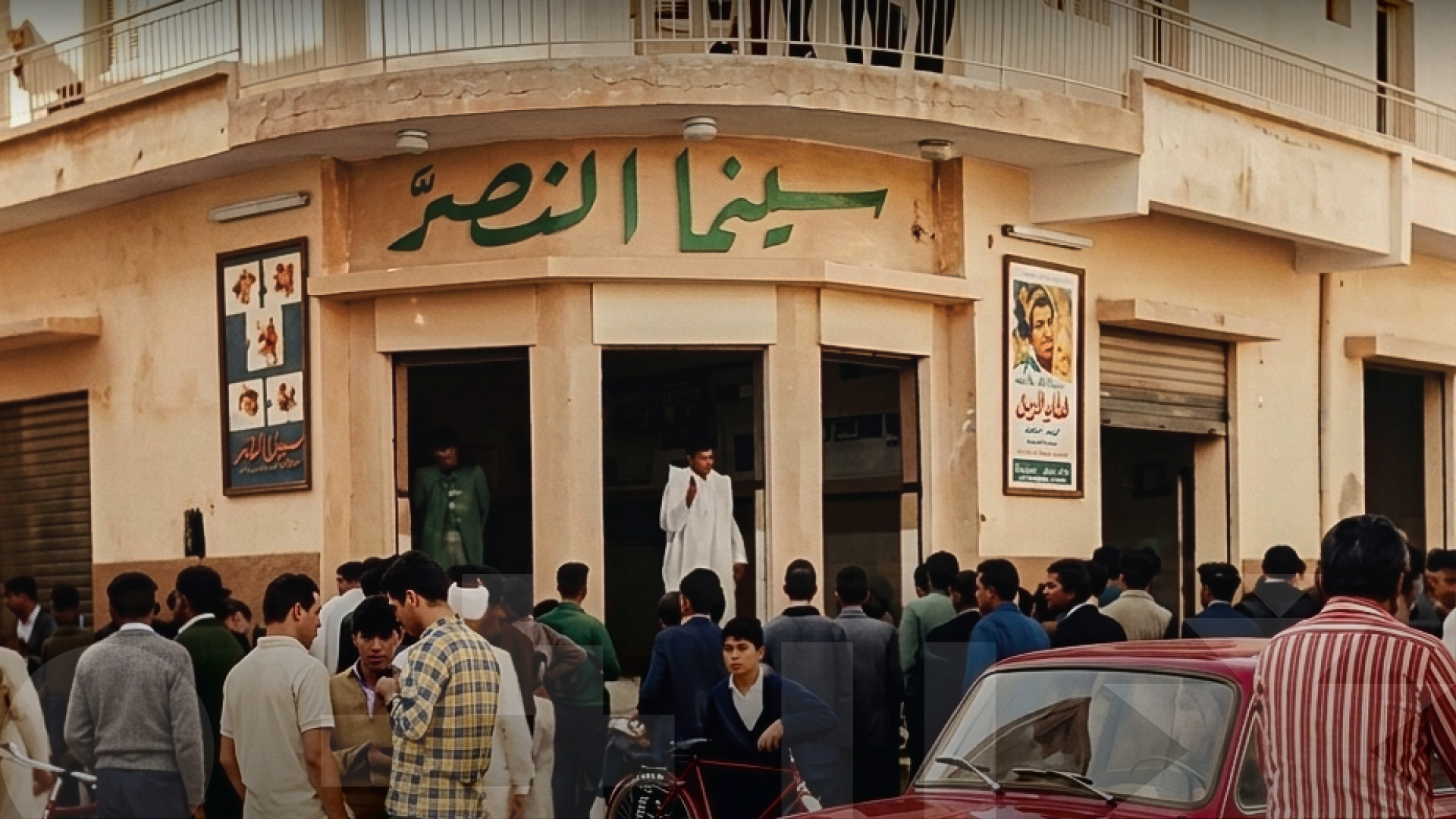
Cinema worldwide is about two things: production and exhibition. But we are without an exhibition. We live in a country with no movie theaters because they were seized, and this is a heartbreaking situation. Our productions are left with little value except for participating in festivals abroad, without the presence of the Libyan viewer who wishes to see the work of their own artists.
8- What is your message to the new generation of aspiring filmmakers?
We have a group of young people who have presented cinematic works that have been met with acceptance and admiration at festivals. A filmmaker presents their work to their homeland before they present it to festivals. I am proud of these young people. I have seen their work, which they produced with their own money, and they have fought for a purely Libyan cinema.
Rabia Habbas