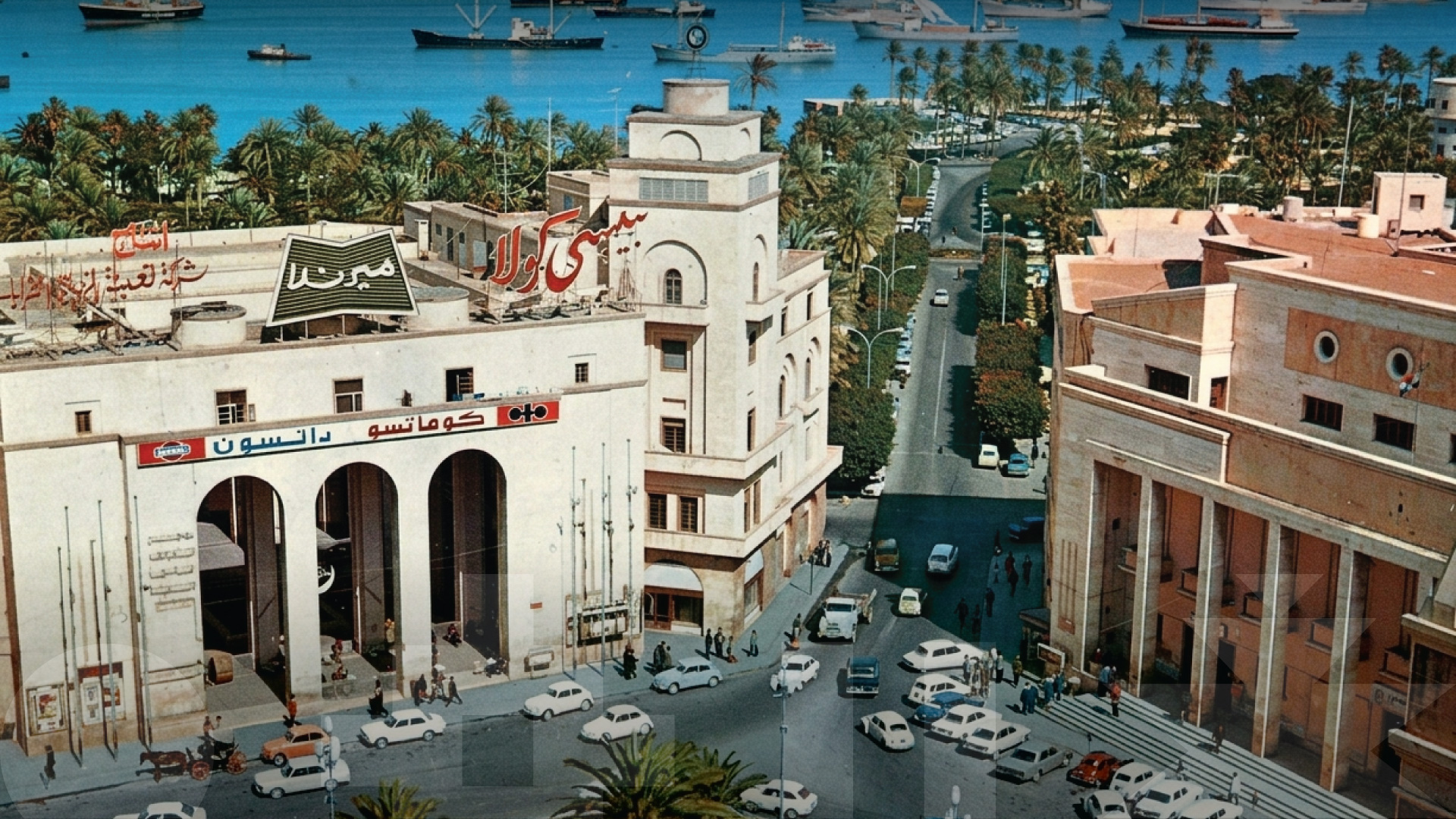
I don’t know what came to mind when the idea of writing an article on cinema based on the memories of a cinema-going generation struck me, before its complete disappearance. Perhaps it was a sense of resisting the thought of us starting from scratch and that we had a history, whether it was a history of going to cinemas or a history of the industry itself. Every time I heard someone nostalgically tell their story of experiencing a movie theater, I envied them. At least they knew what it meant, while we, as a generation, never had that experience—except for those who traveled abroad and had that opportunity.
The social history of cinema and its audiences cannot be separated from the history of its theaters, their creation, transformation, and disappearance.
As a start of a social project for those who are interested, I attempted to pose a reminiscing question to a group of intellectual citizens which actually was nostalgic, and ultimately hopeful. They weren’t selected for any particular research or bias, but rather because they would be more acknowledging towards this short article.
The questions were: What is the moment you most remember from your visits to the cinema? Do you remember the theater where it happened? And which was your favorite cinema hall?
Hussein Al-Mazdawi
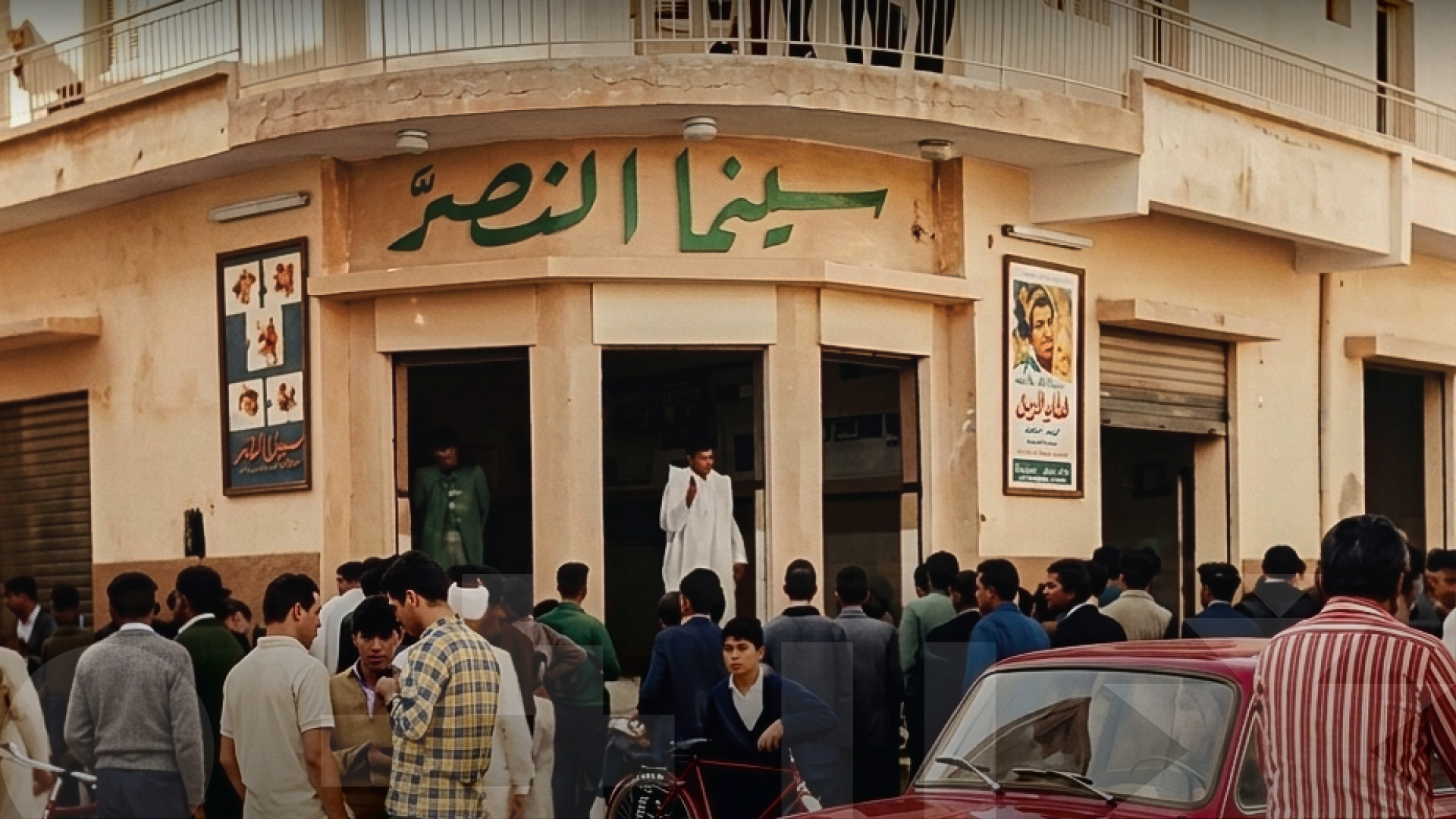
He began by saying that “Cinema was daily bread and butter for my generation.” He then added: “The Film Foundation used to screen films at schools periodically. As I grew, I began going to the cinema. I remember that I used to journal each film, from its name to its cast and the screening location. I would specifically go to the cinema before my final exams as a habit.” It was a way to relax and cheer myself. We used to watch a variety of Arab, foreign, and Indian films. I clearly remember the screening of Khali Balek min Zuzu (Take Care of Zuzu), the street was jammed with crowds buying tickets. It was Al-Khayyam or Al-Zahra Cinema if I remember. There was a film theater called Al-Nasr and another one called Al-Hamra Super Cinema, which later was renamed Al-Khadra.
The balcony (upper floor) was reserved for families: women in their traditional veils along children.
We even learned the Egyptian dialect from watching films and then, in the blink of an eye! Cinema disappeared. The crowds, the chatter, and the cinema culture—all gone!
Hauwa Al-Qamoudi
Should I be embarrassed to mention that I entered a movie theater for the first time in 2019 at the age of 62? It was during my visit to Cairo, attending the book fair. The thought of going to the cinema did not cross my mind during my trip at all (November 2018 until mid-February 2019). I faced an embarrassing incident which I’m not sure if I should disclose just because I belong to the (Al-Sania) family in (Souq Al-Juma) on the coast of Tripoli. This area was ridiculed. We are talking about a period of cinema during which my brothers grew up; I, as a child, began to pick up names of films along the name of a cinema, especially when The Message was screened, and I remember how surprised my brother was by seeing women in their traditional veils attending the films!
I learned about cinema through Egyptian films that were broadcasted on national TV. In most films, friends and beloved ones would accompany each other to watch films in cinema halls. When I, along with other students, saw a large white cloth, I was amazed as we sat there quietly waiting. Our teacher then told us that it was a “hygiene awareness” film. We were left speechless as we saw people moving and talking on that cloth. I then wondered: When was the last time I heard from a friend about their experience of going to the cinema on a specific day designated for families in Tripoli and they had to be well dressed and behave politely while being seated? They used to clap when the movie ended, just like I did that night when the movie ended, which marked the milestone of my entrance to a movie theater in February 2019 for the first time, in Cairo.

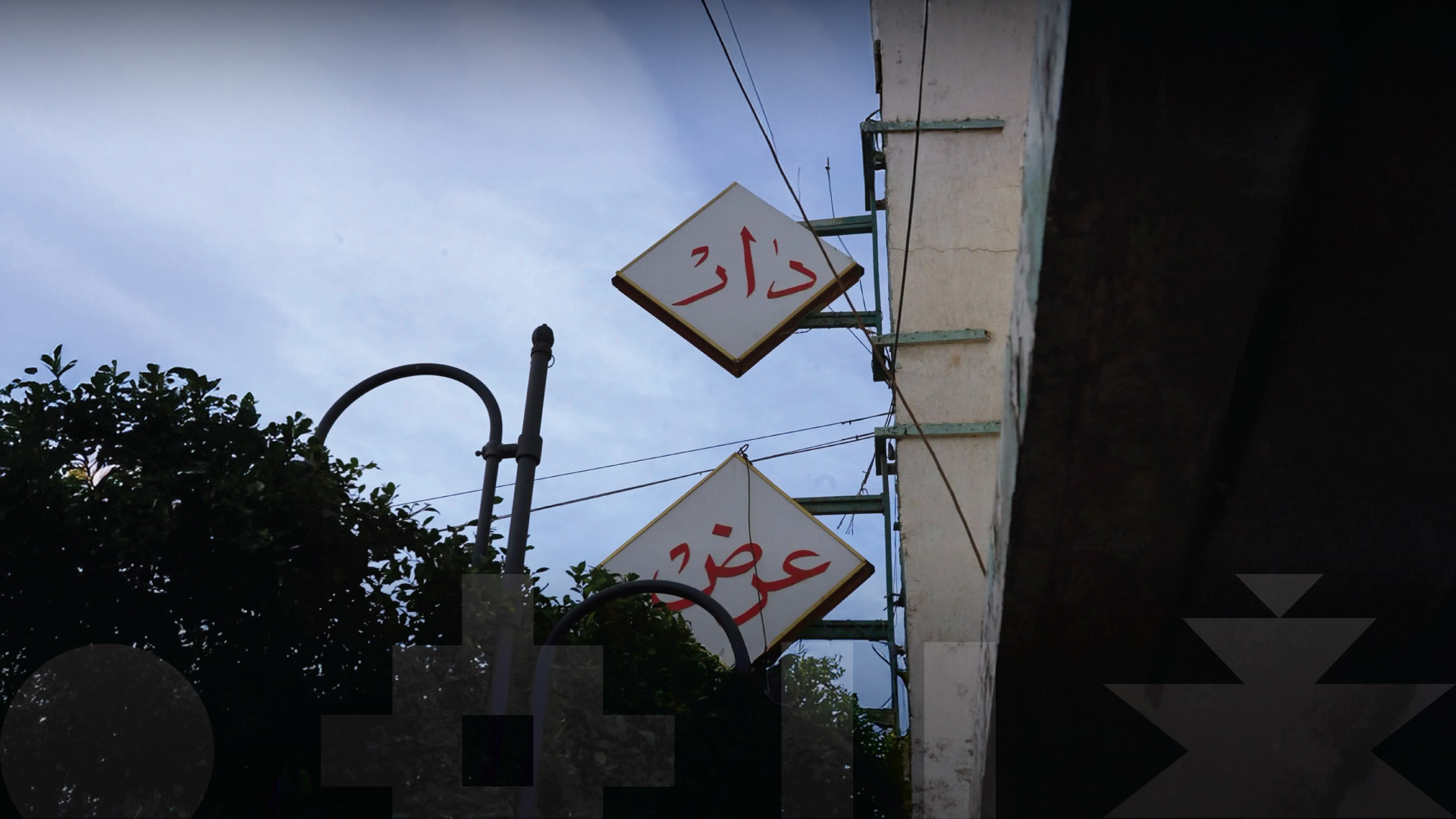
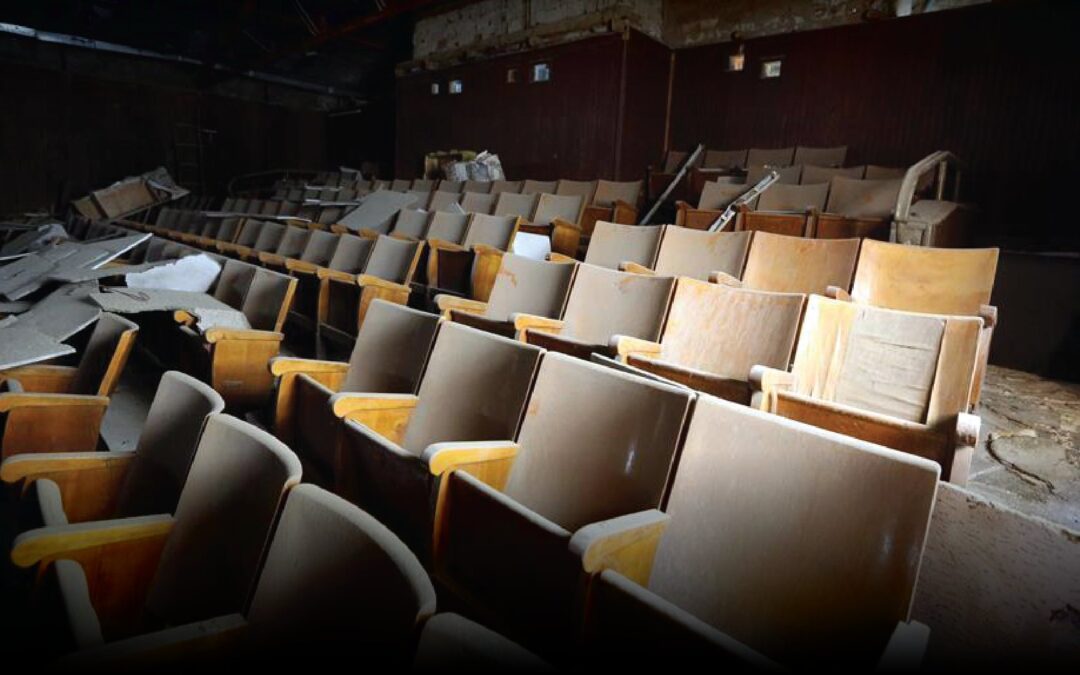
Omar Khayyam Cinema, Tripoli – 2006
Noureddine Omran
I used to regularly attend Al-Najma, Al-Hilal, and Al-Mujahid cinemas. My bond with cinema grew stronger between 1996 and 1998 when I started studying the Principles of Film Production, which required frequenting movie theaters and writing papers on the subject. Every Saturday, we went to a movie theater owned by the Cinema Committee, which operates as a supervisory committee. In the third year, we conducted a survey of moviegoers in three or more theaters and distributed survey questionnaires.
Huda Sabri
As a child, I went to the cinema with my aunts a few times. There were exclusive screenings for women. In the late 1960s and early 1970s as I remember, cinema was not combined between men and women. The most memorable incident that occurred in the theatre was an organizer scolding mothers that brought children, giving them warnings not to bring children again. I remember feeling upset that day. Watching a film in a theater makes you a part of the story, unlike the cold projection of a television screen.
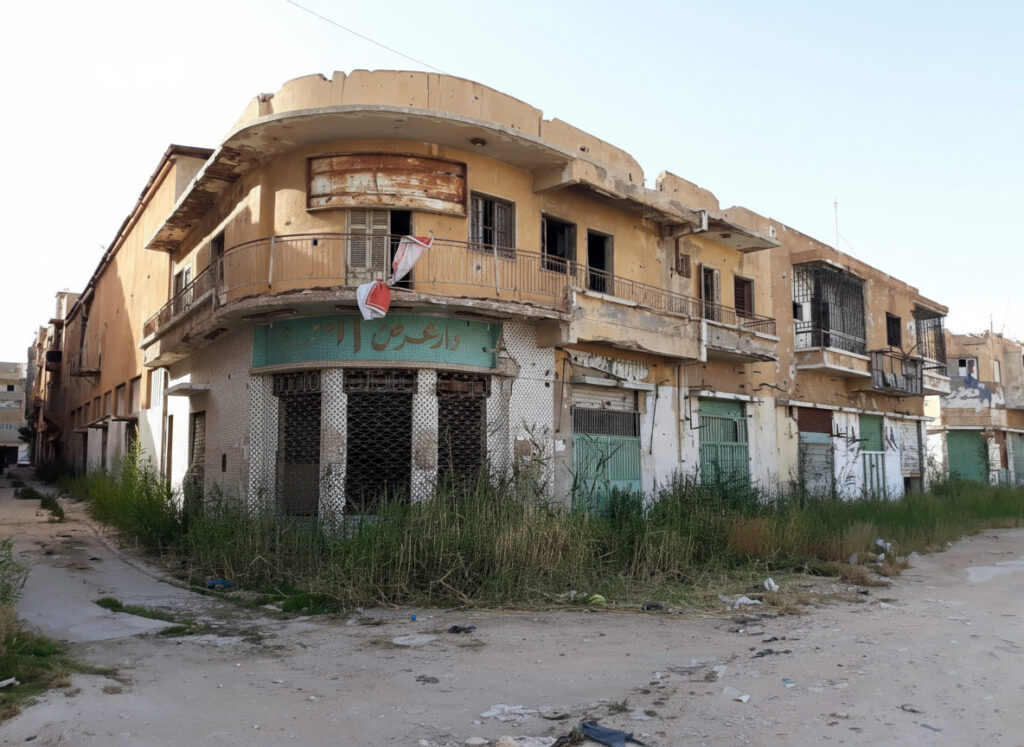
Al-Nasr Cinema building, which was one of the most important landmarks of the city of Benghazi
Sunusi Isteta
I remember watching an American film titled Hush… Hush Sweet Charlotte as a teenager in Dernah at the Shabab cinema. This film got stuck in my mind because of the two foreign girls, perhaps a little older than me, who sat in the same row and were overwhelmed with fear. Out of the corner of my eye, I saw them crying and sobbing. I later learned that no one under the age of eighteen was allowed to watch the movie. I realized that memory isn’t always reliable, as I had read about the film beforehand and it didn’t match the events in the movie. Perhaps I, too, was overwhelmed by the terrifying scenes, as the two girls sitting near me.
Aida Al-Kabti
Behind our house on Al-Andalus Street was Al-Ghazal Cinema, where our father used to take us every Thursday to watch a movie. We didn’t pay any attention to the movie; rather, the cartoons shown to us. As for the movie, we’d be bored to the point that we would fall asleep during the screening. My grandmother Halima (who was deaf) used to visit us and she loved cinema even though she could not hear, but the films inspired her days. She would ask us to tell my father to take us to the cinema and the hall was usually empty. We had a dog called Bella that would follow us around and enter the cinema for free without paying a ticket. The attendants at the gates would let her in, and she would enter walking victoriously.
Sakina Bin Amer
The first time I attended cinema was for the screening of The Message. I was in middle school at the time, and my uncle had reserved the entire balcony for us. Our family and relatives all went to watch the movie and since there weren’t any strangers among us we all felt at home. As soon as Hamza appeared with his majestic presence on screen, mothers cheered and aunts ululated, accompanied by our laughter and the rebuking voices of our uncles, telling us to be quiet!
Theatre name: Bernici Cinema, at the beginning of Omar Al-Mukhtar Street, downtown.
I don’t exactly remember the film’s releasing year, but I think it was between 1976 and 1978.
As for the best movie theater, girls weren’t allowed to go to movie theaters, so the movie theater was in our house in Al-Baraka. In the summer, my older brother would let us watch movies in our courtyard, with the scent of jasmine in the air, and my mother’s popcorn for snack.

Bernice Theater in Benghazi was established in 1928 and was demolished in 2023
Azza Al-Maqhour
I belong to a generation that never had access to the red velvet cinema seats in Tripoli. Generations before me had lived this experience, specifically my aunts, who used to tell stories about it.
But I experienced something beautiful and different… The cinema was in our house since we were very young. My father is an art lover that includes cinema, so we had a movie theater at home and a big screen. My father would open the screen to the wall, put the tape in, and we would hear a soft click, and then the movie would come on. We watched cartoons, Charlie Chaplin movies, and many more.
Because my father was a movie buff, he bought us a VCR early on, and we would enjoy watching the movies he brought back from his trips. We watched The Godfather, Steve McQueen’s Papillon, The Great Escape, and other films. He would sit up front and control the remote control to avoid any unfamiliar scenes.
After each film, there would be a short session where we would discuss the film, its scenes and the artistic value or the idea behind it.
We attended the Oscars with him late at night due to the time difference.
My father is to be credited for my love of cinema!
These are just a handful of the experiences I collected. I did not wish for the memories to end, for they clearly reveal one common fact: Cinema is not just entertainment. It is a memoire, a culture, and a part people’s hearts.
Maysoun Saleh