Introduction
Cinema isn’t just a means of entertainment; it reflects identity and provides a space that expresses the pulse of societies. In Libya, cinema has not been part of cultural life for years, almost a forgotten chapter in urban life.
Today, the question of cinema’s return goes beyond reopening closed theaters. It is a national issue tied to culture, stability, and building a different future for the coming generations.
A glimpse into the past
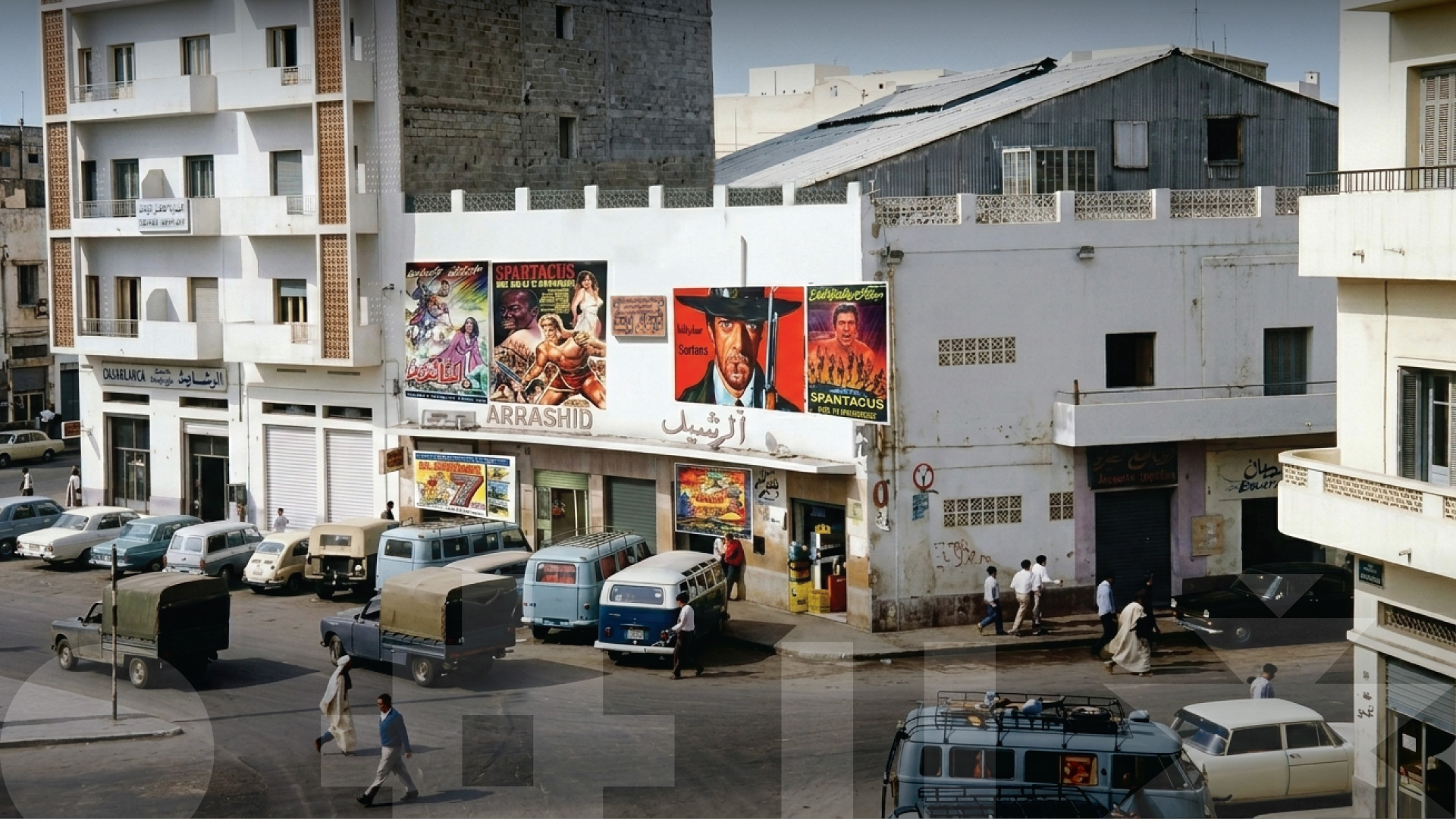
Cinema was customary in Libya since the beginning of the twentieth century; it prospered in the fifties and sixties. Cinemas in Tripoli and Benghazi were part of daily life. However, policies adopted in the 1970s, especially nationalization decisions, led to the closure of most cinemas and pushed this art out of the public space. Many theaters were converted into storage facilities or government offices. Meanwhile, an entire generation grew up without experiencing what it felt like to sit in a dark hall watching a movie on a big screen. After 2011, even though theaters were not formally closed, ongoing political and security chaos further hindered any serious attempts to revive cinema.
Challenges restraining the Return of Libyan Cinema
The path to bringing cinema back is crammed with obstacles: infrastructure is completely absent, with neither theaters nor production studios. Funding is also a dilemma, relying on individual initiatives with little institutional support or long-term investments. Political and security instability make investors hesitant to venture. On the audience side, generations have grown up with individual viewing experiences through digital platforms, losing the habit of communal cinema-going. Rebuilding this link is another challenge.
In addition, technical skills are limited, with a lack of specialized institutes to train directors, cameramen, scriptwriters, and technicians, who are the backbone of any film industry.

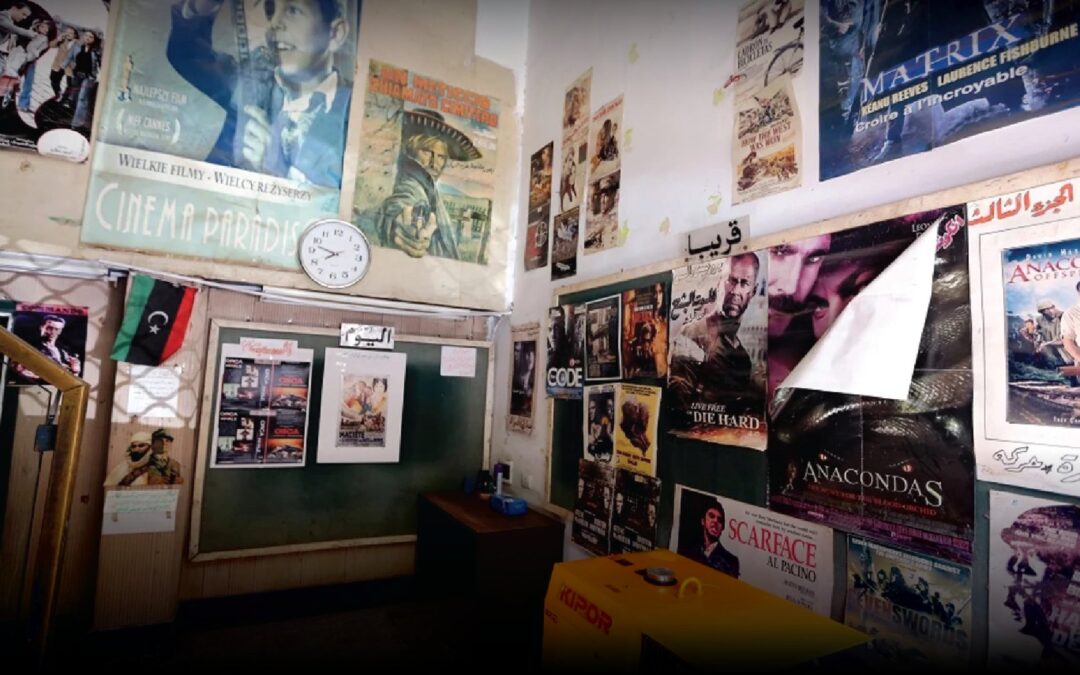
Omar Khayyam Cinema, Tripoli – 2006
The Way Forward: How Can Libyan Cinema Return?
Despite the bleak outlook, the revival of cinema is not impossible. It starts by recognizing that cinema is a national project requiring comprehensive support rather than individual initiatives. Libya could start by launching strong national film festivals—not just as screening platforms, but as bridges connecting creators and investors. Local and regional digital platforms can serve as transitional spaces while the necessary infrastructure is built. Investing in human resources is crucial, by establishing training institutes and exchanging expertise with successful Arab countries. Encouraging the private sector to establish modern movie theaters could be a practical start, especially if combined with economic support programs and incentives.
Glimpses of Inspiring Arab Experiences
Libya isn’t the only country facing a decline in cinema. Algeria also experienced a long hiatus, but leveraged its revolutionary history to produce films with universal human appeal. Morocco suffered periods of stagnation too, but invested in infrastructure and offered incentives, eventually becoming a top international filming destination. Jordan, despite its young cinema experience, attracted major productions like The Martian and Star Wars through supportive policies.
These examples show that cinema can recover even after decades of inactivity if vision, political will, and institutional support are present.

On location in Jordan, director Ridley Scott supervises actor Matt Damon’s performance in The Martian.
Photo credit: Aidan Monaghan
Cinema is part of a national project
In Libya, cinema should not be considered a luxury, but rather an aid in rebuilding society. A theater isn’t just a place for screenings; it is a civic space that restores trust among people. It is a cultural outlet opposing violence and division. Cinema is a tool for strengthening national identity; Libyan films can present a different image to the world, beyond the usual conflict-driven images.
Economically, the film industry can contribute to diversifying the national economy by opening job opportunities in technical and creative fields. Reviving cinema in this sense is not merely a cultural issue, but a pivotal national project as crucial as infrastructure and education projects.
Conclusion
Libyan cinema has been absent for decades, but its absence does not mean the end. What was closed in the 1970s can be reopened with a clear vision and strong will.
The challenges are clear, but the solutions are not far. With political will, community support, and investment in youth, the return of cinema can move from dream to reality.
When the screens are lit again across the country, it will not only be a cultural event, but also a declaration of the revival of art and culture in Libyan cities, demonstrating Libya’s determination to show that art is not a luxury, but a necessity for building a better, conscious future.
Muhammad Ben Saoud