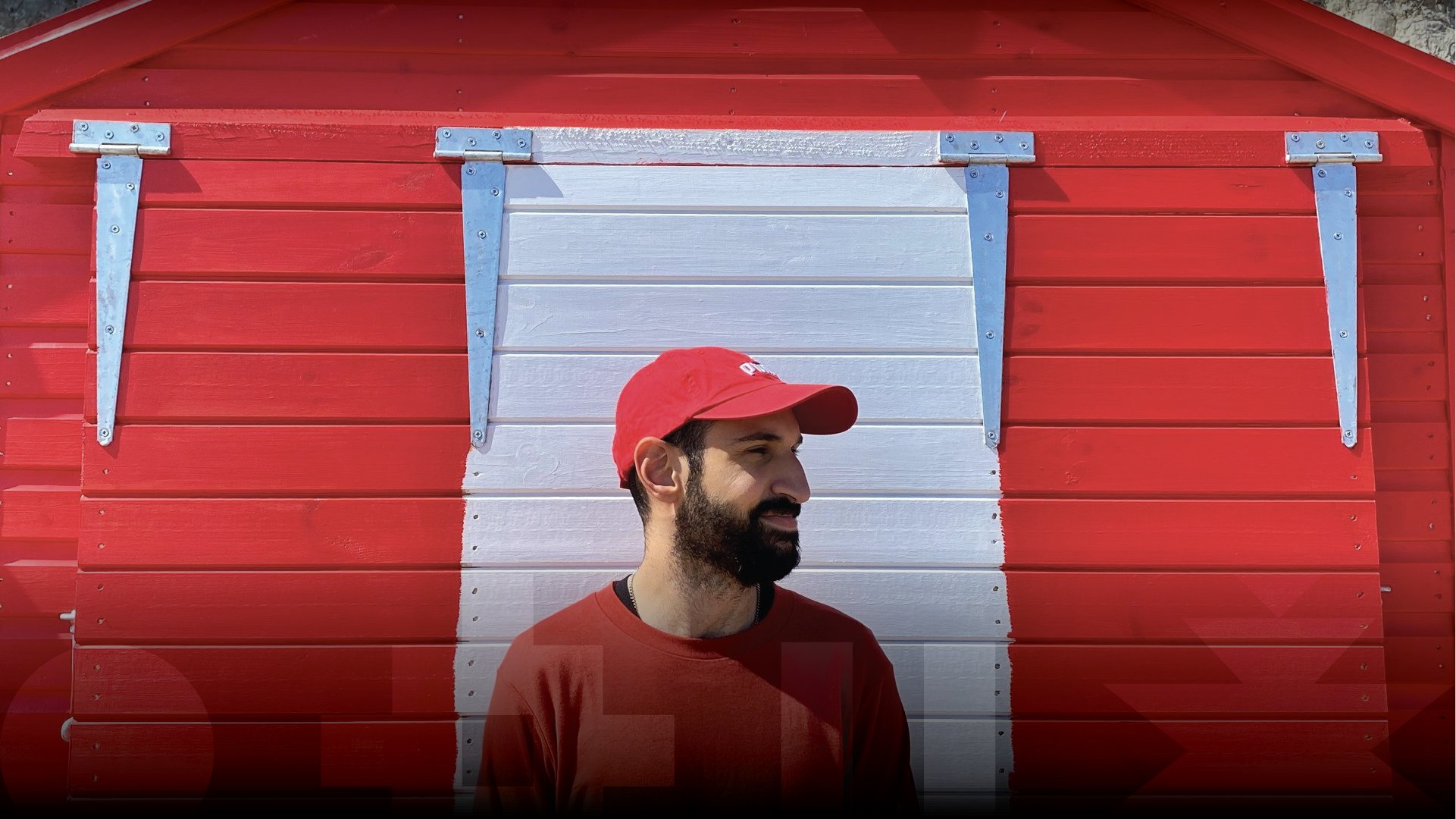
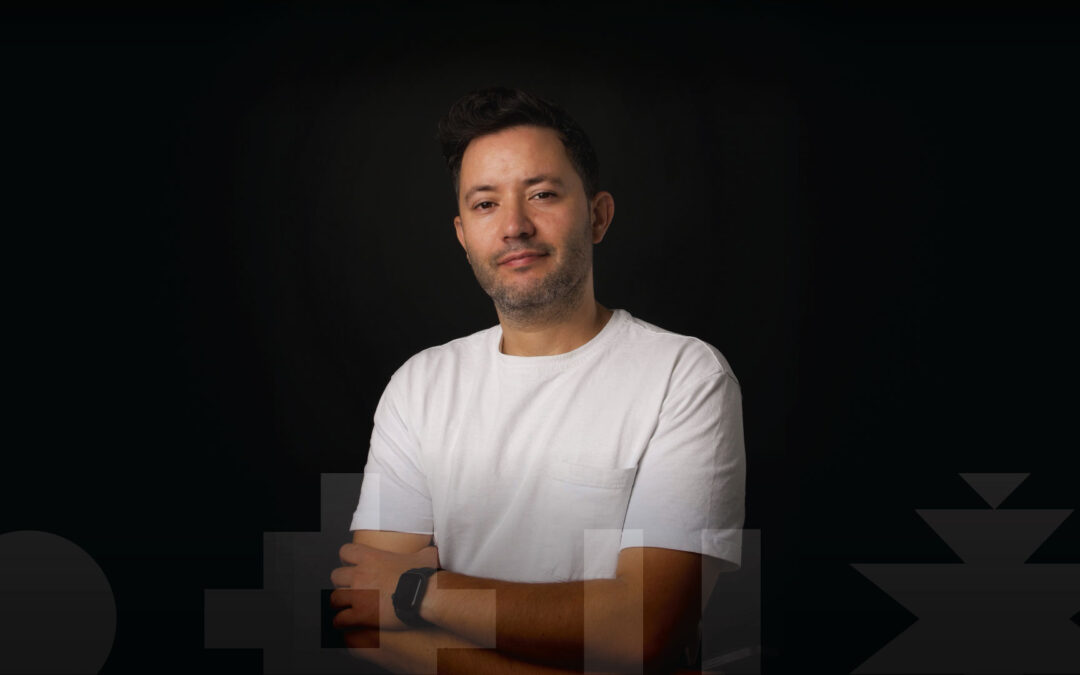
Osama Al-Fitouri is a Libyan journalist and documentary filmmaker. He began his career in journalism in 2011 before transitioning into the world of documentary filmmaking in 2014. For the past four years, he has specialized in covering the migration file.
He has directed and participated in the production of numerous documentaries, most notably Europe: The Fatal Migration Policy, an investigative film examining the deadly humanitarian consequences of EU migration management in North Africa, which won the Prix Europa 2025. His other works have garnered seven prestigious global awards, including the CIVIS Medienpreis and the Robert Geisendörfer Preis, alongside nominations for the Grimme Preis and Stern Preis.
In a conversation with the Libya Film Institute, Osama shared his insights on the filmmaking industry and the reality of Libya today.
1. How many documentary films have you worked on, and what roles did you take on?
I have participated in the making of 11 documentary films. My role varied from one project to another; sometimes I served as the director, other times as the director of photography, or I handled research and filming, depending on the nature of the film and production requirements.
For three of these films, I handled everything research, direction, and execution entirely on my own. The remaining projects were collaborations with major networks and production companies such as HBO, Vice, and the BBC.
2. Based on your experience, how can documentary films contribute to raising societal awareness of humanitarian and social issues in Libya?
In my opinion, documentaries can raise societal awareness through several key mechanisms:
Documenting Reality: When I convey real stories about displacement, reconciliation, or human rights, these narratives reveal the human dimension and break the silence or fear people have regarding these topics.
Generating Empathy: Visual storytelling helps create empathy among different parties in society, opening the door for constructive dialogue away from polarization.
Amplifying Voices: While media networks in Libya often cater to specific, supportive demographics, documentaries provide a platform for marginalized groups to be heard, enhancing their participation and demanding accountability.
Influencing Policy: Fact-based documentaries can capture the attention of decision-makers as well as legal and international organizations.
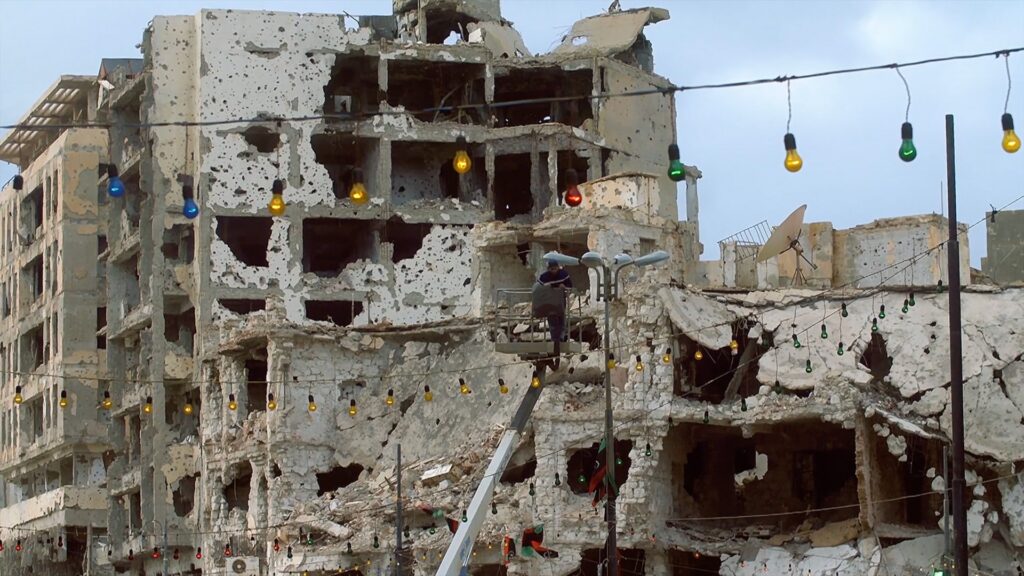
3. Do you believe the films you make can actually change society’s view or policies regarding migration?
Yes, I do. By presenting honest human stories, I work to dismantle prevailing stereotypes and build deeper empathy for migrants and victims. This creates moral and media pressure that can push decision-makers to adopt more humane policies, especially when these works reach civil society and international bodies.
4. In your opinion, what is the real impact of years of conflict on the film industry in Libya? What are the biggest challenges facing filmmakers today?
Wars have certainly halted artistic expression in the country. However, contrary to what some might think, the problem isn’t solely linked to conflict. The biggest challenge is dealing with society itself. Many people view cinema as something potentially harmful or contrary to traditional values. This makes it difficult for filmmakers to present bold work or address sensitive issues without facing significant rejection or reservation.
Additionally, there are regulatory challenges, such as weak protection for filmmakers’ rights and the absence of strong unions or bodies to defend them.
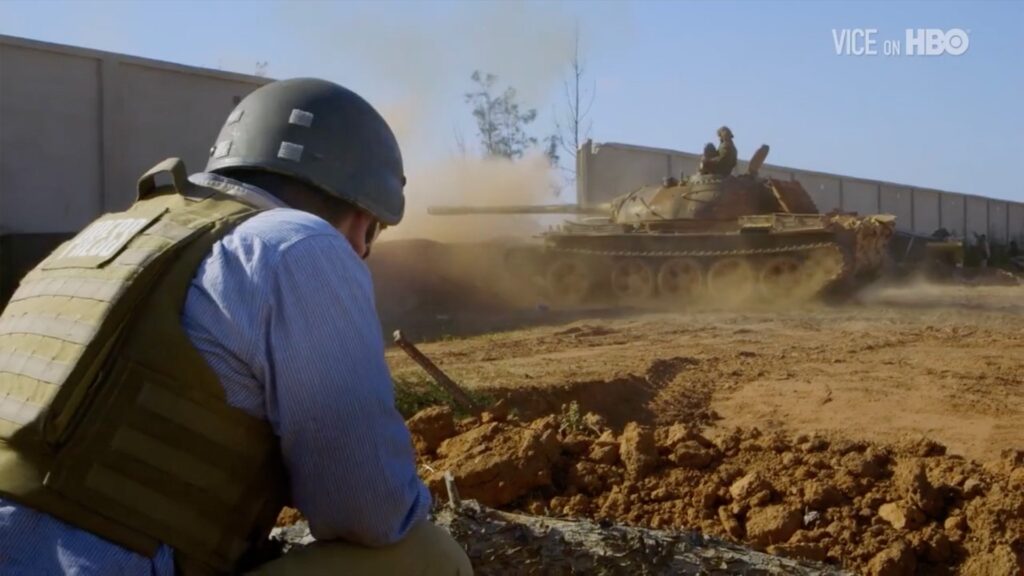
5. How can these challenges be overcome, or at least minimized?
I believe the solution lies in a form of “shock theory” excessive exposure to a topic reduces the stigma surrounding it. Society needs this exposure to make the idea of cinema gradually more acceptable, normalizing it so it is viewed objectively rather than as a threat.
It is also essential to establish legal protection for filmmakers through supportive unions and to ensure the presence of professional administration focused on nurturing talent and creativity.
6. How do you evaluate your filmmaking experience inside Libya compared to working in other environments?
It might surprise some, but every job I did inside Libya was more enjoyable than elsewhere because it was more challenging. In Libya, possessing a camera is often treated with the same suspicion as possessing contraband, and obtaining a filming permit requires double the effort.
However, the result was always more valuable to me, perhaps because it wasn’t easy. Succeeding despite the obstacles gives me great satisfaction and has taught me how to adapt to any circumstance to serve my work. Because it is my country, I cannot help but love it, even if life there is hard. I always hope to contribute to change through the films I make.
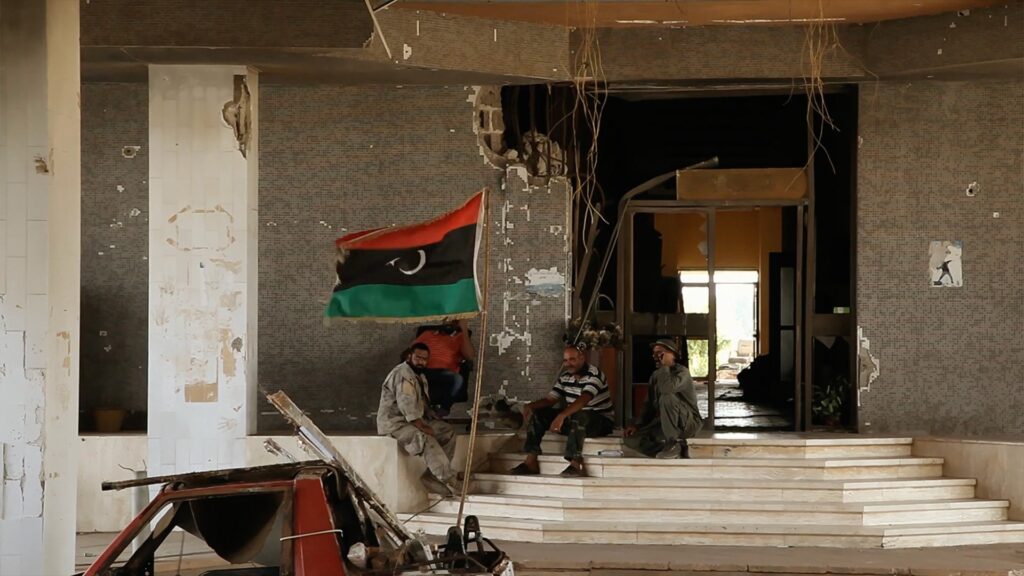
7. Finally, what message do you have for young people wanting to enter the world of documentary filmmaking?
My message to the youth entering this field is to focus on the story above all else. You don’t need expensive equipment as much as you need deep investigation and a strong core for your story.
Take the time to listen to all sides and don’t rush production. Works that might seem controversial often carry the strongest messages. Don’t worry about easily pleasing the audience; in my opinion, a good story is the foundation of the documentary world.