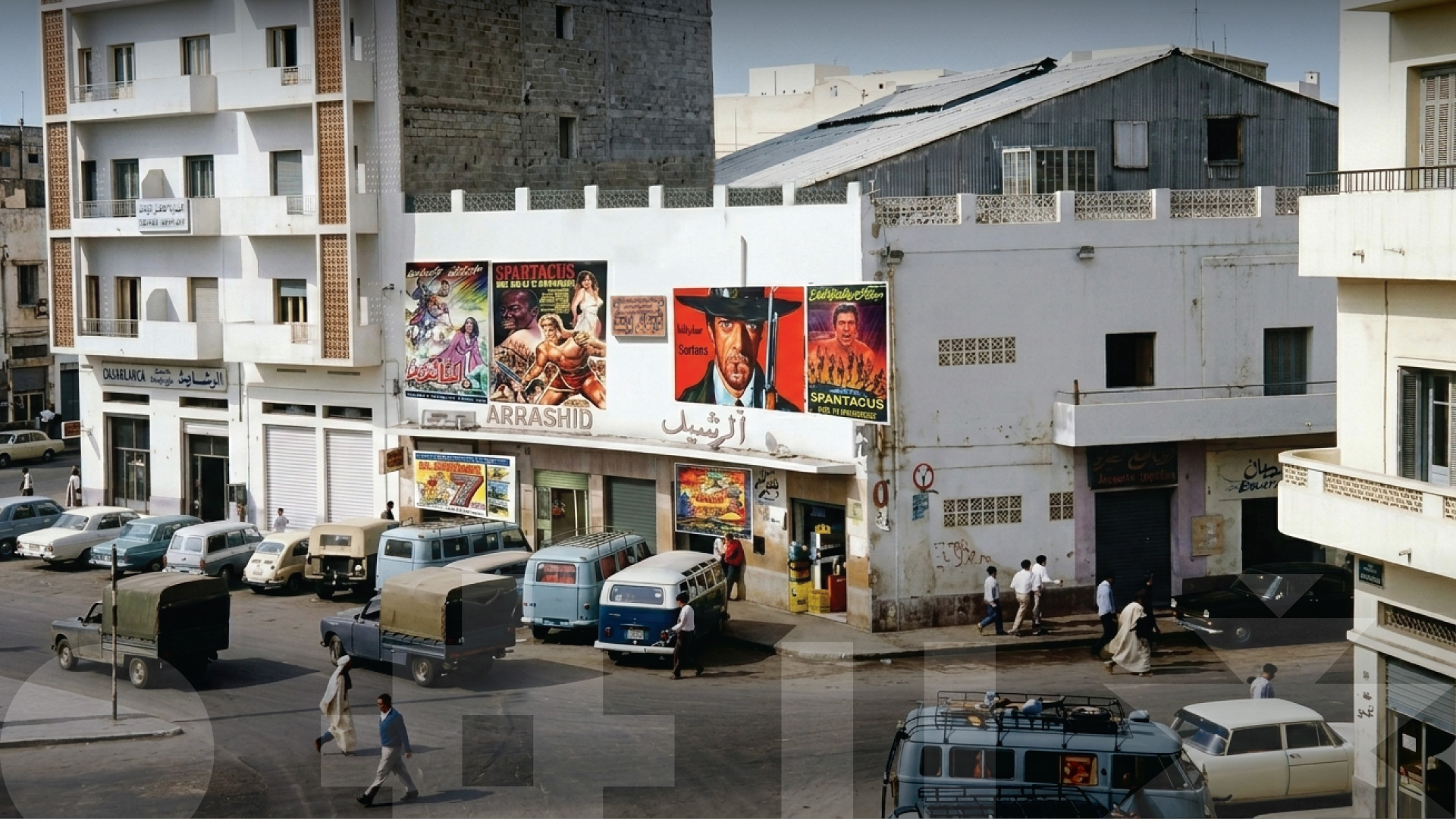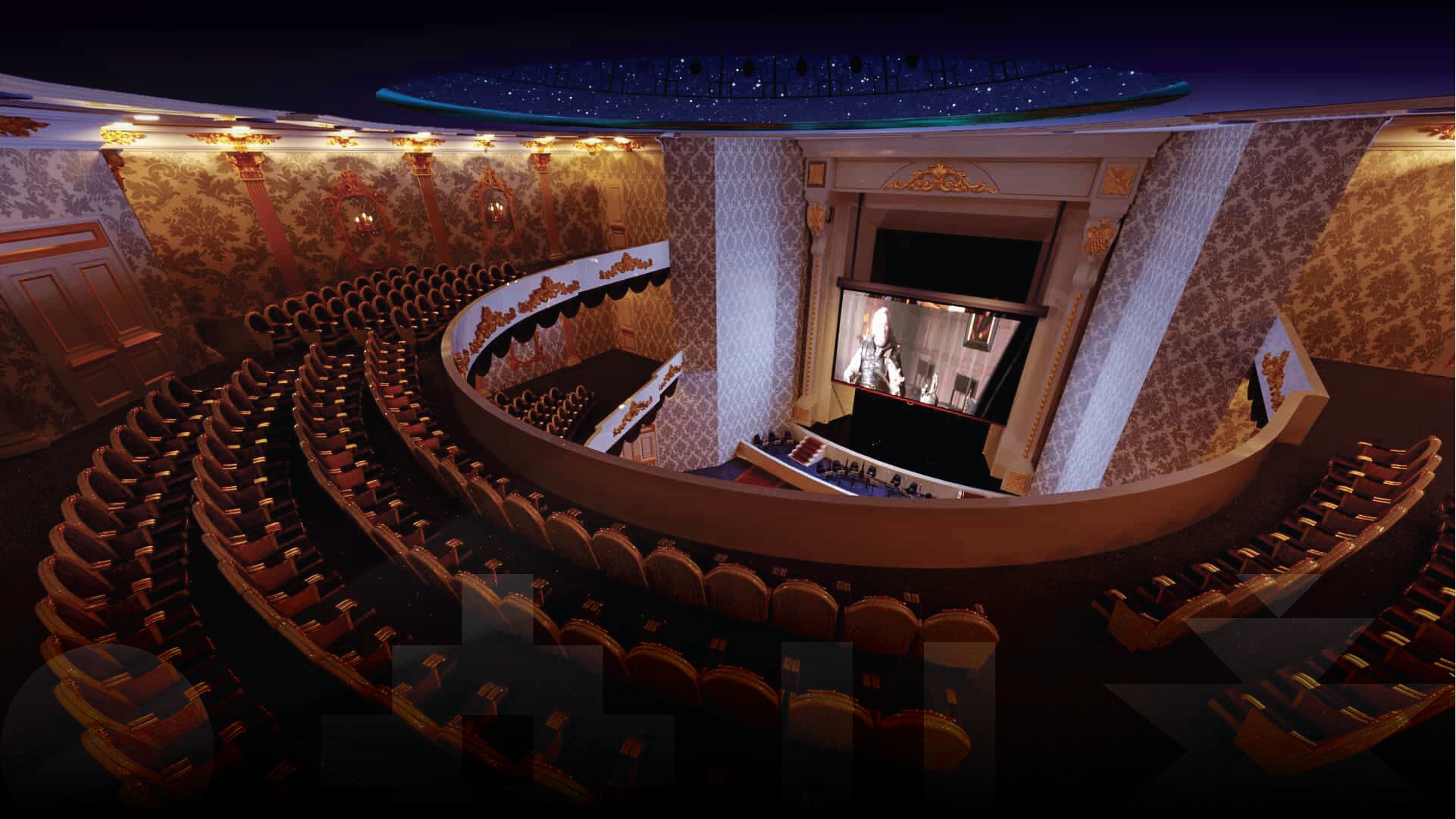
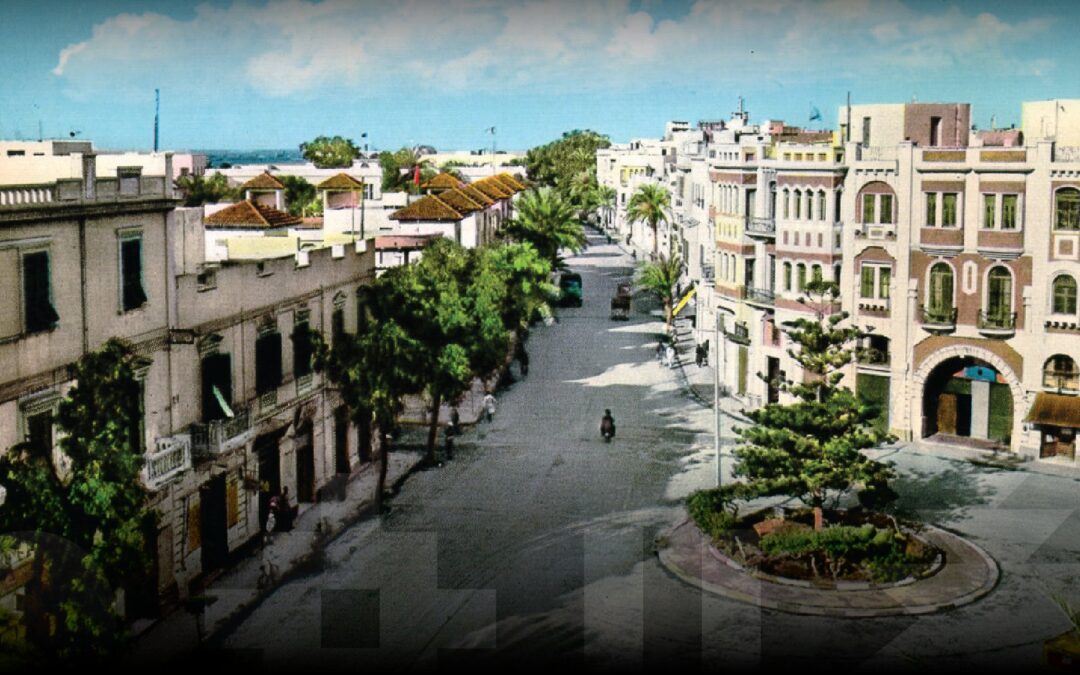
The 1970s marked a dramatic turning point for cinema in Libya. What was once a thriving industry on the cusp of regional leadership entered a new phase, one defined by the dimming lights of its movie halls.
This shift began with the government’s decision to nationalize all cinemas, transferring the entire film industry from private hands to state control. For the public, the change was jarring; they were suddenly confronted with restrictions on the films they could watch. The consequences, however, ran much deeper than just production and exhibition. This move fundamentally reshaped the relationship between the Libyan people and the big screen, profoundly influencing their cinematic tastes and visual culture for years to come.
The General Cinema Organization:
According to director Abdullah Al-Zarruq, the decision to nationalize cinemas robbed the Libyan viewer of access to films with real intellectual and artistic value, which had previously been shown exclusively by the private sector. He explains that after 1969, the state began imposing stricter censorship, a process that ended with the 1973 decision to abolish private cinema ownership and establish the General Cinema Organization.
From that moment on, cinematic activity entered a gradual decline. Showings were reduced to commercial films, and theaters began to close, one by one. This trend worsened until the 1990s, when most venues shut down for good.
“Ending the private sector’s role made the General Cinema Organization the only authority responsible for importing films,” Al-Zarruq adds, “and it selected movies that aligned with its own ideology, without considering their artistic or intellectual quality.”
He continues, “This created a huge gap between the state and the audience. Viewers, who were used to seeing the world’s most celebrated films, lost hope of ever seeing them in local theaters again. Where private owners had once competed to bring in the best and newest releases, audiences now found themselves limited to watching Indian cinema and karate movies, which famously inspired a generation of young men to imitate stars like Bruce Lee.”
When asked about the role of the General Cinema Organization after the nationalization, he said it was extremely limited. Its work was confined to producing a few short films that weren’t even shown in theaters, alongside a handful of co-productions and a small number of feature films. The state’s control and its refusal to entertain any idea that didn’t align with its own is incredibly dangerous, because it robs the audience of their freedom of choice.
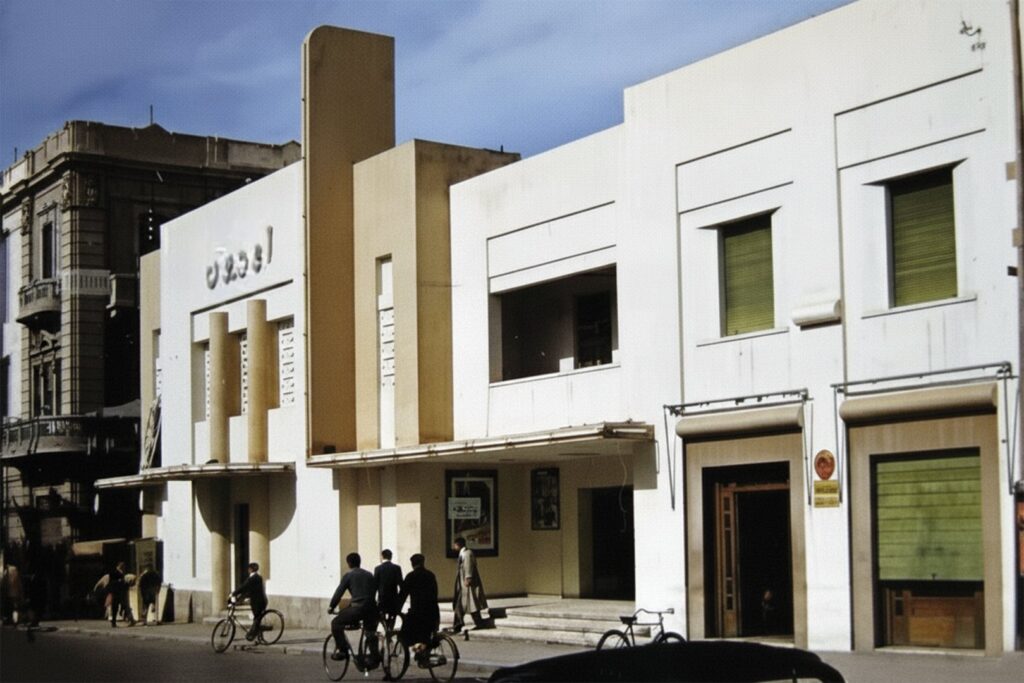
Al-Zahra Cinema in the Libyan capital, Tripoli, also known as “Odeon,” in 1957.
Abandoned Theaters:
Writer Muftah Ganaw explains that the next chapter in Libyan cinema’s history began with the establishment of a new entity, the General Company for Cinema. This state-run company officially took ownership of all the newly nationalized private theaters. Ganaw notes that the company didn’t last long and failed to achieve its objectives, neither in producing Libyan films nor in properly managing the theaters it had inherited.
Like many public sector enterprises, the company eventually crumbled. When it was officially dissolved, the cinemas ceased operating entirely, becoming abandoned, locked-up spaces. For a time, no one dared touch them, until some of the original owners began filing lawsuits to reclaim their properties. The heirs of Khalil Al-Ja’ouni successfully regained ownership of the theaters their family had once owned, only to sell them. The new buyers then demolished these historic venues, including the Al-Jumhuriyah, Al-Rasheed, and Royal cinemas in the city center.
Ganaw points out that the chaos following the 2011 revolution made things worse. With state security weakened, individuals seized the remaining cinema buildings and converted their facades into small storefronts selling cigarettes, clothes, and trinkets. Today, it’s easy to forget that behind these makeshift shops lie vast auditoriums, spaces that both the Libyan state and its people desperately need. He cites the Al-Hamra Theater as a prime example, a venue capable of hosting major plays and cultural events, just as it did during its glory days in the 1960s and 70s.
Director Abdullah Al-Zarruq adds another perspective. “The nationalization order also made it illegal for anyone else to purchase films,” he says, “making the theaters captives of the state organization that now controlled their content.” This was a stark contrast to the era of private companies that competed to import the latest Egyptian, Syrian, and international productions, sometimes even before they premiered in their countries of origin. “In fact,” he recalls, “Lawrence of Arabia was screened in Libya before it was shown anywhere else in the Arab world. Those companies were connected to global cinema, ensuring the theaters were clean and the films were promoted with elegance. But after nationalization, it all fell apart. The halls turned into ruins, and the movies shown were trivial, failing to meet the cultural standards we aspired to.”
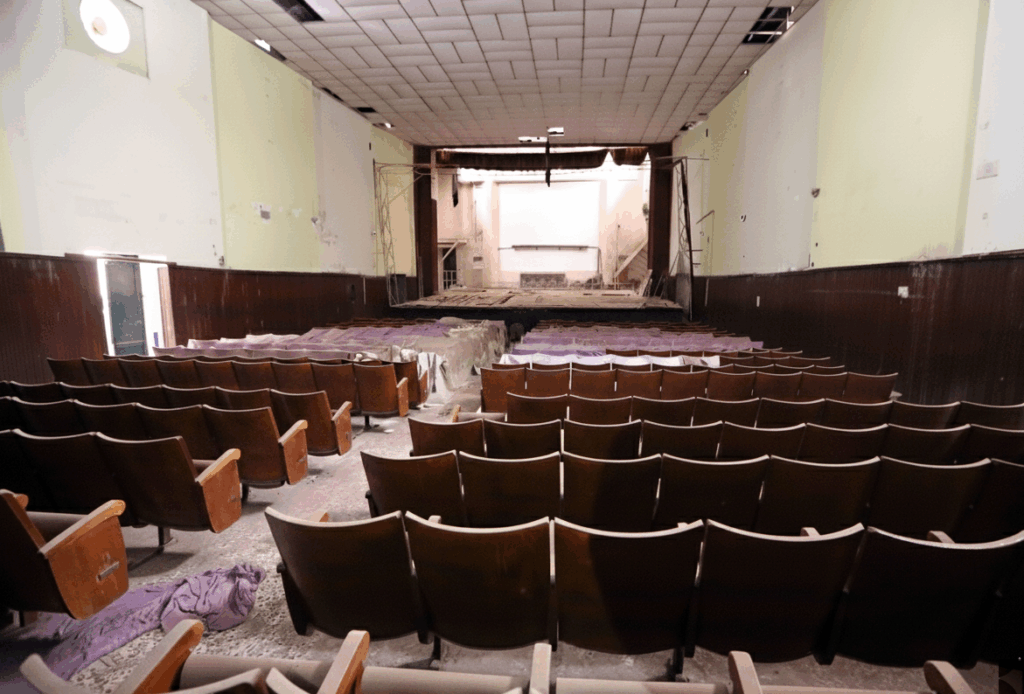
Al-Zahra Cinema in the Libyan capital, Tripoli, also known as “Odeon,” in 2015.
The Sorrow of Libyan Cinephiles:
Reflecting on a cinematic history that spans over a century, Abdullah Al-Zarruq recalls a time of great promise. “Before the nationalization, specifically in 1968, we had assembled all the necessary film technologies. We established labs for developing and printing, and purchased modern cameras from Germany. Preparations were underway to build a true national cinema at a time when most Arab countries lacked our resources.” He credits this vision to the late Ahmed Salheen Al-Houni, then Minister of Media and Culture, who established a film production department and supported early works.
“That momentum was a sign that Libya could have been a leader in the field,” Al-Zarruq continues, “especially with the rise of private companies and visits from Arab producers. But the winds of change blew in an unwelcome direction. With the establishment of the state-run organization, all private companies – the only real hope for a genuine Libyan cinema – were shut down.”
“The public sector seized control of every aspect of the industry,” he says. “And just like that, the dream of Libya becoming a filmmaking nation like Egypt, Syria, or Lebanon was lost. For us filmmakers, it was a profound sorrow.”
After a long journey of pioneering success and subsequent silence, Libyan cinema now stands at a crossroads. Today, a new generation of creators is filled with the ambition to restore the glow of the silver screen and return the moving image to its rightful place in the nation’s cultural memory.
Kholoud Elfallah