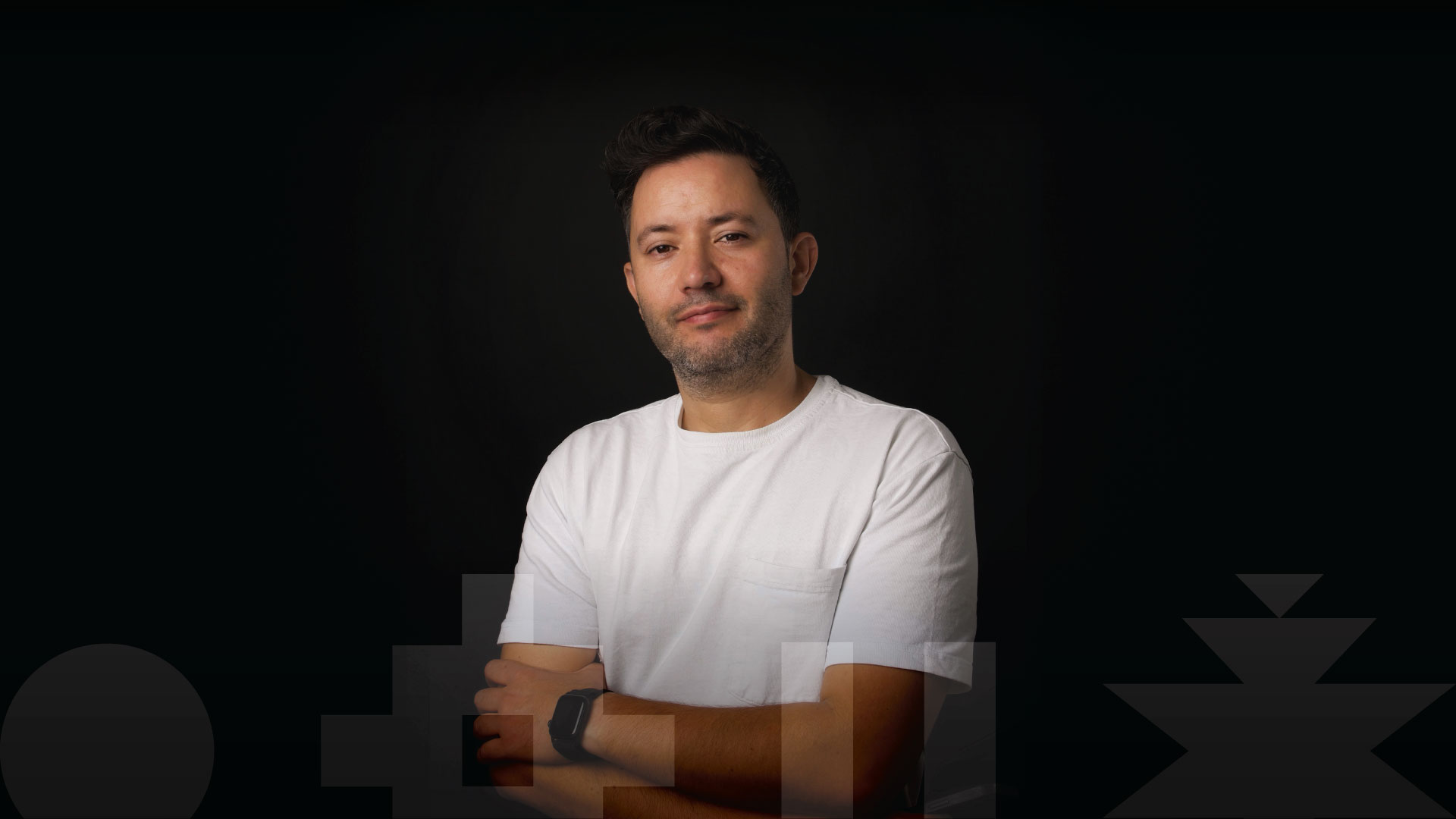

Mohammed Al-Qasir’s entry into the world of cinema was not the result of a traditional academic path or a pre-planned career strategy. Instead, it stemmed from a simple passion that began with a camera and the hobby of photography. Over time, this passion evolved into a deeper interest in telling and documenting human stories visually, gradually placing him at the heart of the documentary filmmaking experience.
In his conversation with the Libya Film Institute, Al-Qasir explained that his relationship with the camera began as a hobby about 12 years ago, before his passion gradually shifted toward documentary filmmaking, which he formally entered around five years ago, driven by his desire to listen to people’s stories and convey them honestly.
1- How did your interest in human stories begin before entering documentary filmmaking?
This interest began years before I started working in documentary films. In 2013, I was in Egypt with a group of friends, running a page inspired by the Humans of New York project called Humans of Cairo. We would film people on the street, conduct short interviews, and then publish their stories as they were, without interference. This experience deepened my love for listening to people’s stories and conveying them truthfully. I have always believed that every person has a story worth telling, which later motivated me to pursue documentary filmmaking.
2- How do documentaries contribute to raising social awareness of humanitarian and social issues in Libya?
Documentaries play an important role in raising Libyan society’s awareness of humanitarian and social issues. They often focus on a specific topic and present it truthfully and realistically, away from acting or dramatization, which makes their impact deeper on viewers. They also help shed light on marginalized or invisible groups and open the space for societal discussion about these issues.
However, many people in Libya still view documentaries in a traditional style, similar to National Geographic films, with voiceover narration, interviews, and archival materials.
Documentaries come in various types, including the kind I am most interested in: free cinema. This style does not rely on a pre-written script or a fully detailed plan before filming. This type, in particular, can be more influential in society because it brings the audience closer to reality as it is, allowing them to experience it directly, creating deeper empathy and a more authentic understanding of the issues presented.
3- How do you choose the topics for your films? How do you determine whether a subject is suitable or appealing?
Many people have a traditional view of documentaries, but when they watch modern documentary works, they engage with them more because they contain a dramatic element, what is known as Creative Documentaries. This engagement helps change the audience’s perspective, prompting them to think about issues differently and even motivating them to take positions or initiatives.
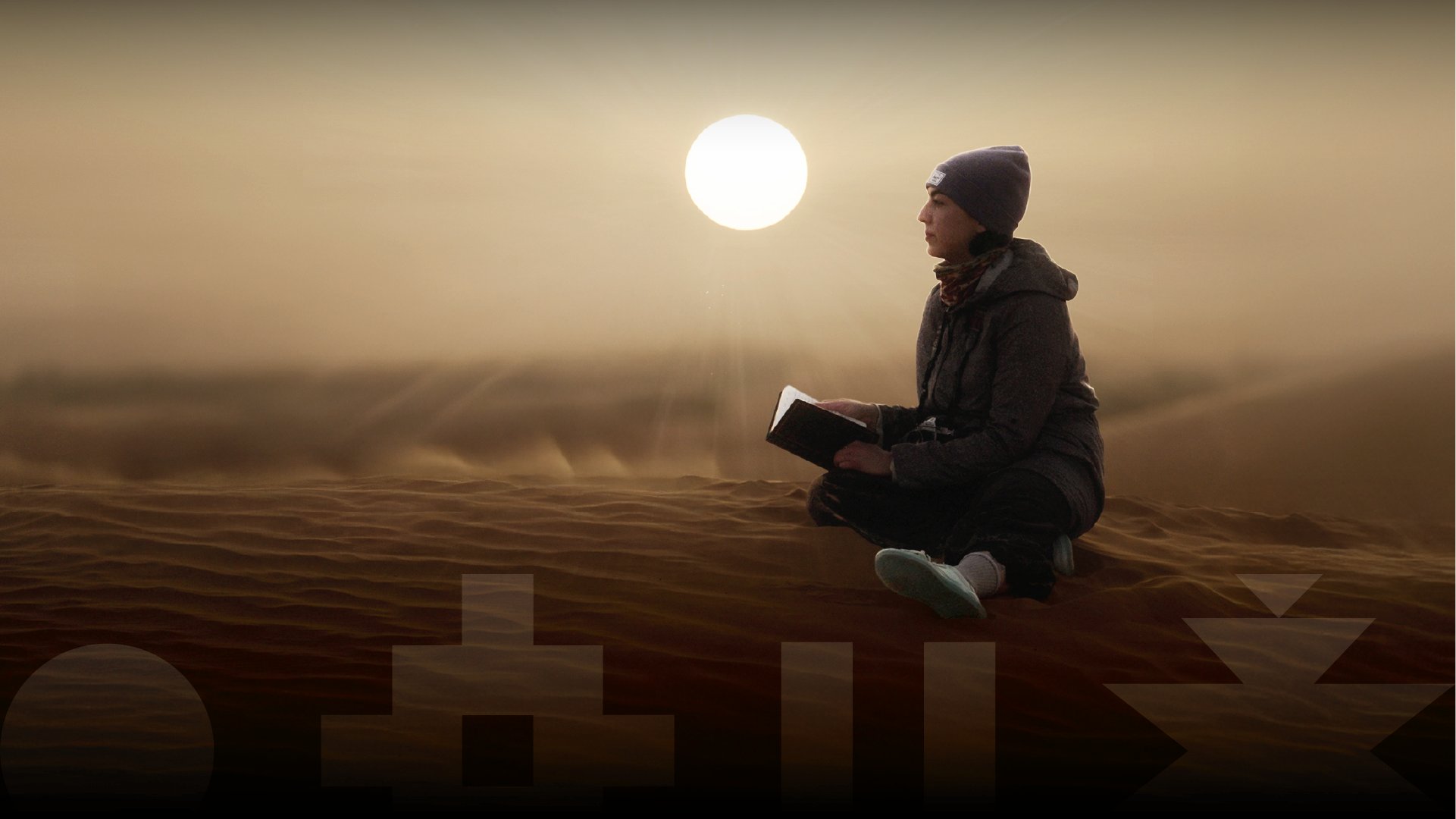
For example, my collaborator, director Mohammed Masli, and I filmed a documentary called Champion, which highlights the story of Souad, a weightlifting champion with a disability, and her struggle to achieve her global dream. Another film, Melody of Dunes, explores human stories in a desert environment, reflecting everyday life and local experiences.
When Champion was screened in Tripoli, it had a clear impact. I was responsible for directing, cinematography, and editing. The film highlighted real problems faced by the subject, such as her daily commute between the cities of Tawergha and Misrata and her struggle with the state to reclaim her monthly allowance.
After the screening, the Social Security Fund provided weekly transportation, and the coach dedicated private time for free training. This change encouraged two other athletes from Tawergha to join her, forming the nucleus of a women’s team of people with disabilities preparing for local and international competitions.
This demonstrates the power of documentary films—they do not require acting or artificial plotlines because the story is real, and the person we see is the one actually experiencing these hardships. This is the core of their importance in raising awareness: they reflect reality without distortion and give a voice to the voiceless.
As for choosing topics, ideas often come spontaneously. For instance, the film Mountain Friends came about because one of my friends was part of that environment, and I was close to the experience.
In other words, the environment and society you live in greatly influence your choices. Ideas emerge from your surroundings, friends, and daily experiences. Being close to these stories gives them greater authenticity, which in turn reflects in their impact on the audience.
4- What are the main challenges facing Libyan filmmakers today?
The challenges are large and complex. The first problem is the lack of screening venues. In Egypt, for example, there are festivals and independent cinemas that allow young directors to show their work, even if the budgets are limited. There is an audience ready to watch these films, giving creators the chance to gain experience and reach viewers.
In Libya, the situation is different. There are no cinemas, and most films are shown via social media. This disadvantages the film because it loses the communal viewing experience that cinema provides.
5- And what about funding? Do Libyan filmmakers receive adequate support?
Funding is a major challenge. External support exists but is limited and comes with strict conditions. Even if you receive a large amount, such as $50,000, there is no guarantee you can produce the film as planned. There have been previous experiences where we submitted projects to foreign institutions and either received no response or were rejected without clear reasons. Sometimes, the reason is political, organizational, or due to the funding entities’ concerns about the country’s political and social stability.
6- How does the political and economic situation affect cinema in Libya?
Cinema is not just art; it is linked to political, economic, and social conditions. The absence of funding, few screening venues, and the monopoly of some producers over TV screens, especially during Ramadan, make it difficult to develop a true cinematic scene. TV seasons are limited, with only four or five series broadcast each year, preventing the emergence of new voices or independent projects. Even producing a short or music film comes with high costs, and there is no sufficient local support to realize it.
7- Are there solutions or proposals to overcome these obstacles?
Solutions exist but require time and planning. There must be political and economic stability, the opening of independent screening venues, direct financial support for young directors, and the development of a television scene that allows production diversity. Without these, Libyan directors remain constrained and often have to present their work on social media, where the film does not receive full viewing or communal interaction.
Despite all difficulties, I believe that producers, cinema enthusiasts, and directors must continue. Continuing production is what drives the cycle and allows everyone to participate.
8- Even if this is not your original field, how do you maintain motivation to continue?
My motivation comes from the stories themselves. In every corner of Libya, there is life and characters waiting to be told, and every film is a window into a reality that has never been seen before. For me, filming is not just about capturing images; it is about creating a space for people to have their voices heard and for viewers to experience their moments with them.
Shayma Tabei