Preface:
Libya, a country with rare visual features: vast desert touching the blue sea, Roman cities that still bear witness to history, mountains and oases that gush oddities. This land, which has dazzled the world, never truly found its place in cinema, even though Hollywood cameras once poised here.
For decades, international production teams have come to Libya to shoot films that later became classics. However, these encounters were never the product of a local industry or a long-term vision, rather temporary stops for filmmakers who found Libya’s visual environment serving to their stories.
The setback isn’t that they came, filmed, and left, but that we weren’t the ones telling the story. Every film shot here was an opportunity to engrave our image into the world’s cinematic memory, but it remained a transient moment that never translated into an industry or a future vision.
Actual films shot in Libya:
1- The Black Tent (1956):
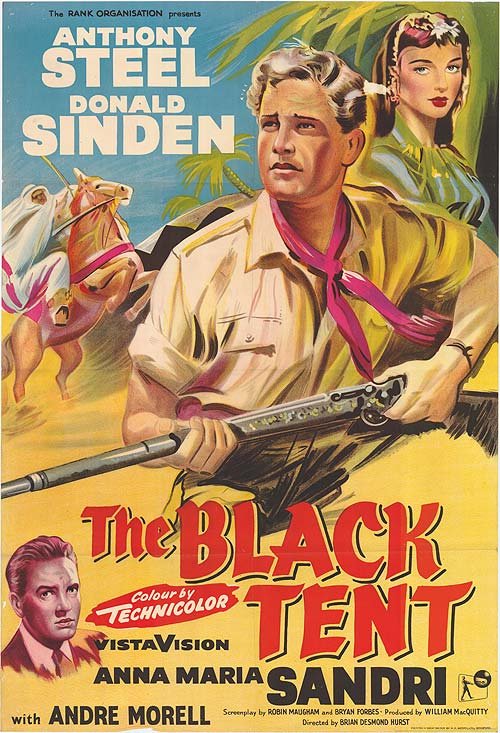
The Black Tent was filmed in Sabratha, Libya, and is one of the first English-language films actually shot in Libya.
The film tells the story of a British officer who believes his brother has died in war. He travels to Libya to search for his brother, only to discover that his brother is alive and living with a local tribe. Despite its critical success in Britain, the film did not spark any sustainable cinematic movement in Libya. Alongside Benghazi (1955), it remains one of the few dramas set in the twilight of British military administration in Libya (1945–1951).
2- Bitter Victory (1957):
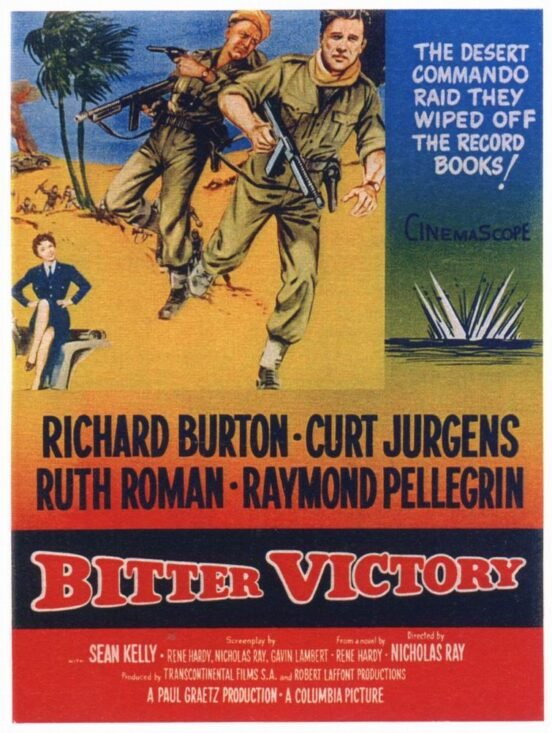
A French-American production on a commando mission lead in Benghazi, filmed in the Libyan desert with the support of the British Army. The story revolves around two allied officers carrying out a mission behind enemy lines, entangled in their personal and psychological conflicts whilst being in a real Libyan environment.
3- Legend of the Lost (1957):

This film was shot in Ghadames, Leptis Magna and Zliten, mostly in the ruins of Leptis Magna.
The film tells the story of a treasure hunt, staring Oscar-winning Western legend John Wayne and the famous Italian actress Sophia Loren. Director Robert Siodmak exploited the harsh terrain to heighten the psychological tension between characters, cementing Libya’s desert and shoreline into the global cinematic imagination.
4- Sea of Sand (1958):
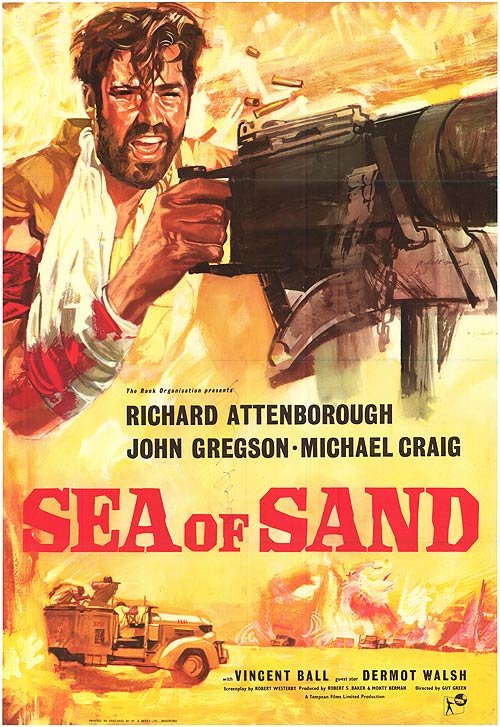
A British war drama filmed in Tripoli and its southern deserts. It portrayed the harsh, unfiltered reality of reconnaissance units during World War II. Nominated for BAFTAs in Best Film and Best Actor, it remains a humane and enduring portrait of desert warfare.
5- Ice Cold in Alex (1958):
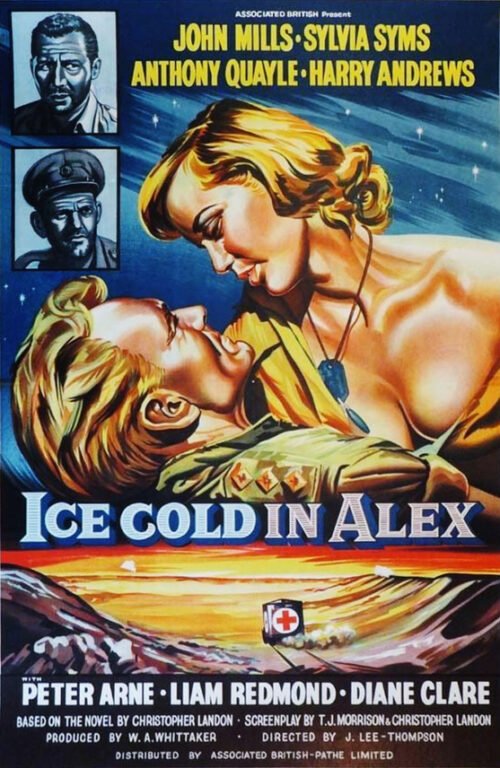
The film was shot in Tripoli and the southern desert, telling the story of a British ambulance crew trying to return to Alexandria during World War II. It presents a vivid, humane portrayal of the soldiers’ suffering. The film was critically acclaimed and held a 96% rating on the international critics’ website Rotten Tomatoes.
6- The Message (1976):
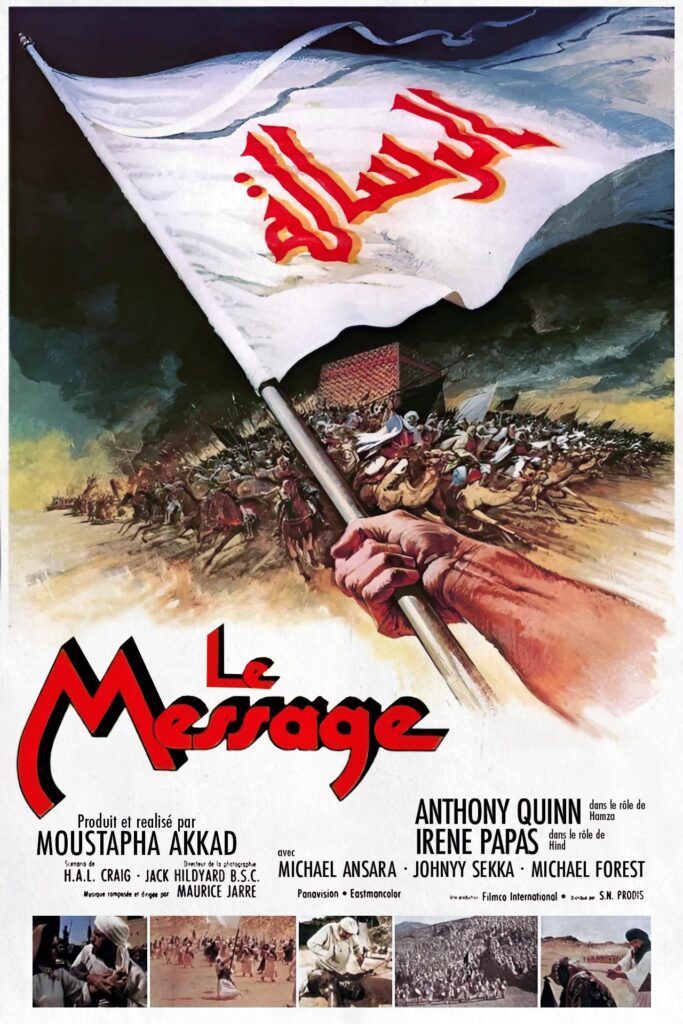
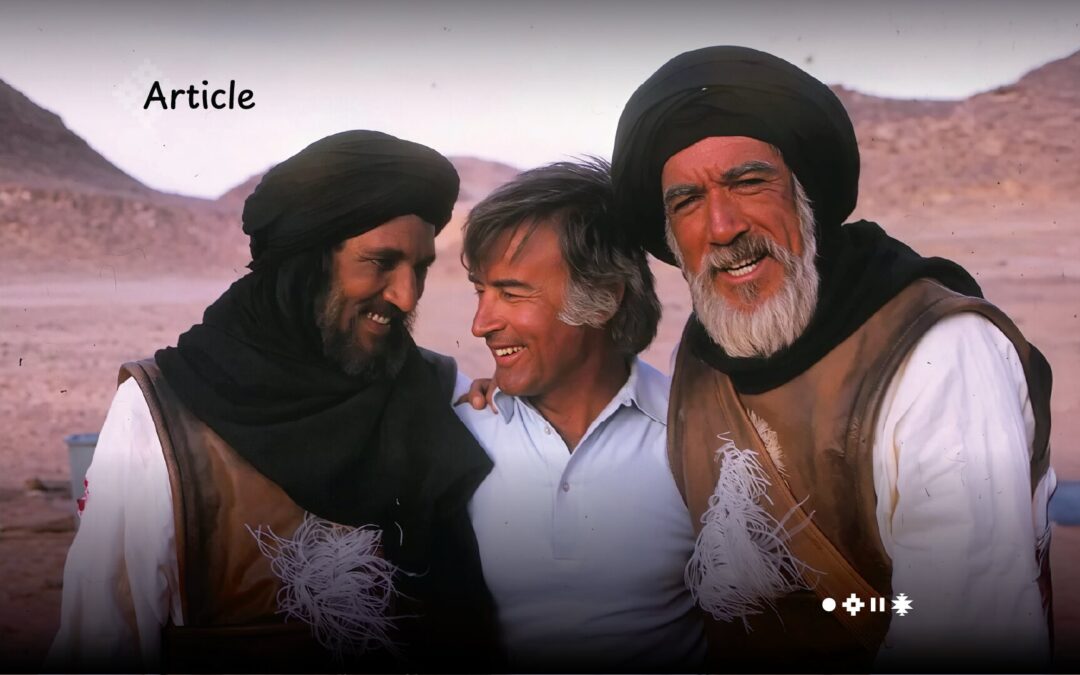
“The Message” directed by the late Moustapha Akkad shot across multiple locations in Libya, depicting the dawn of Islam. Starring the legendary Anthony Quinn and a host of Arab actors, the film was screened internationally and proved its cultural impact. It was also nominated for an Academy Award for Best Original Score. Despite its striking global portrayal of Libyan sites on screen, it failed to establish a sustainable local industry.
7- Lion of the Desert (1979–1981):
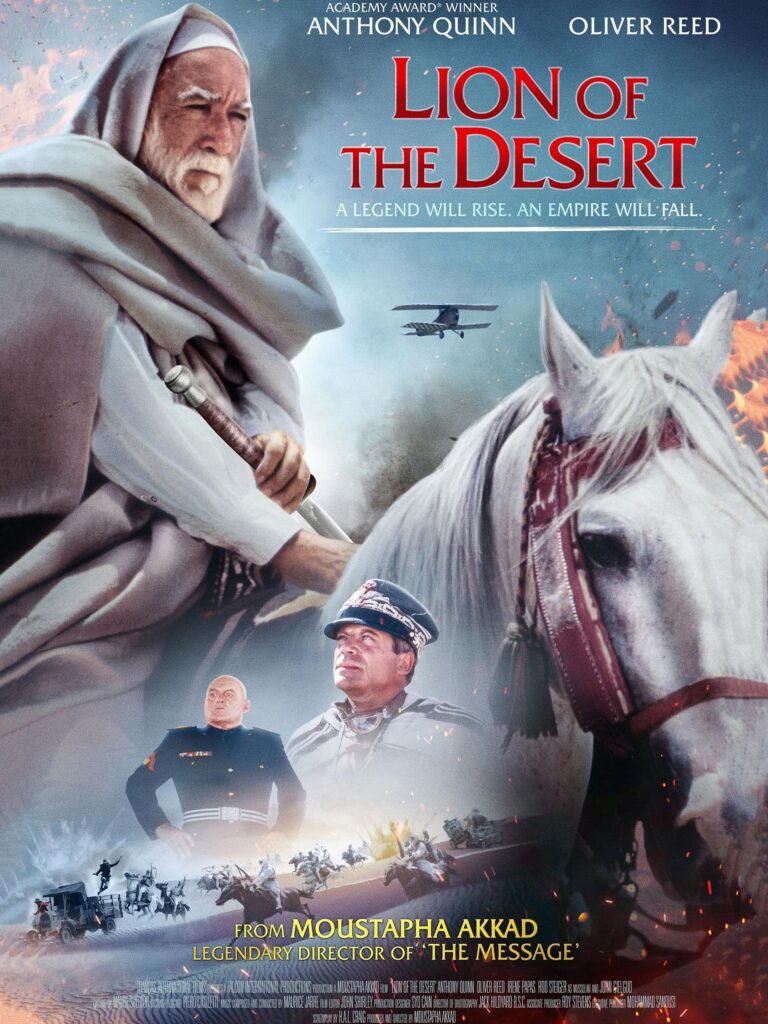
“Lion of the Desert” directed by the late Moustapha Akkad, tells the epic story of Omar Mukhtar’s rebellion against the Italian occupation. Filmed between March and October 1979 in the Green Mountains and eastern Libya, the production took place in massive camps with a $35 million budget—a staggering sum at the time. The film featured a stellar international cast, including Anthony Quinn, Oliver Reed, and American actor Rod Steiger. It was banned in Italy for decades due to its uncompromising portrayal of fascist crimes. The film remains proof that cinema can transcend politics and convey a universal message.
Between Image and Reality: Where do we stand?
What’s the point of having these international films shot in Libya if they don’t contribute to building a local film industry? Our country has become a backdrop for other’s stories, without us investing in creating a national production movement. No archive was established to preserve them, thus the history of those films shot is now stored in foreign archives, forcing us to search foreign records for fragments of our own past.
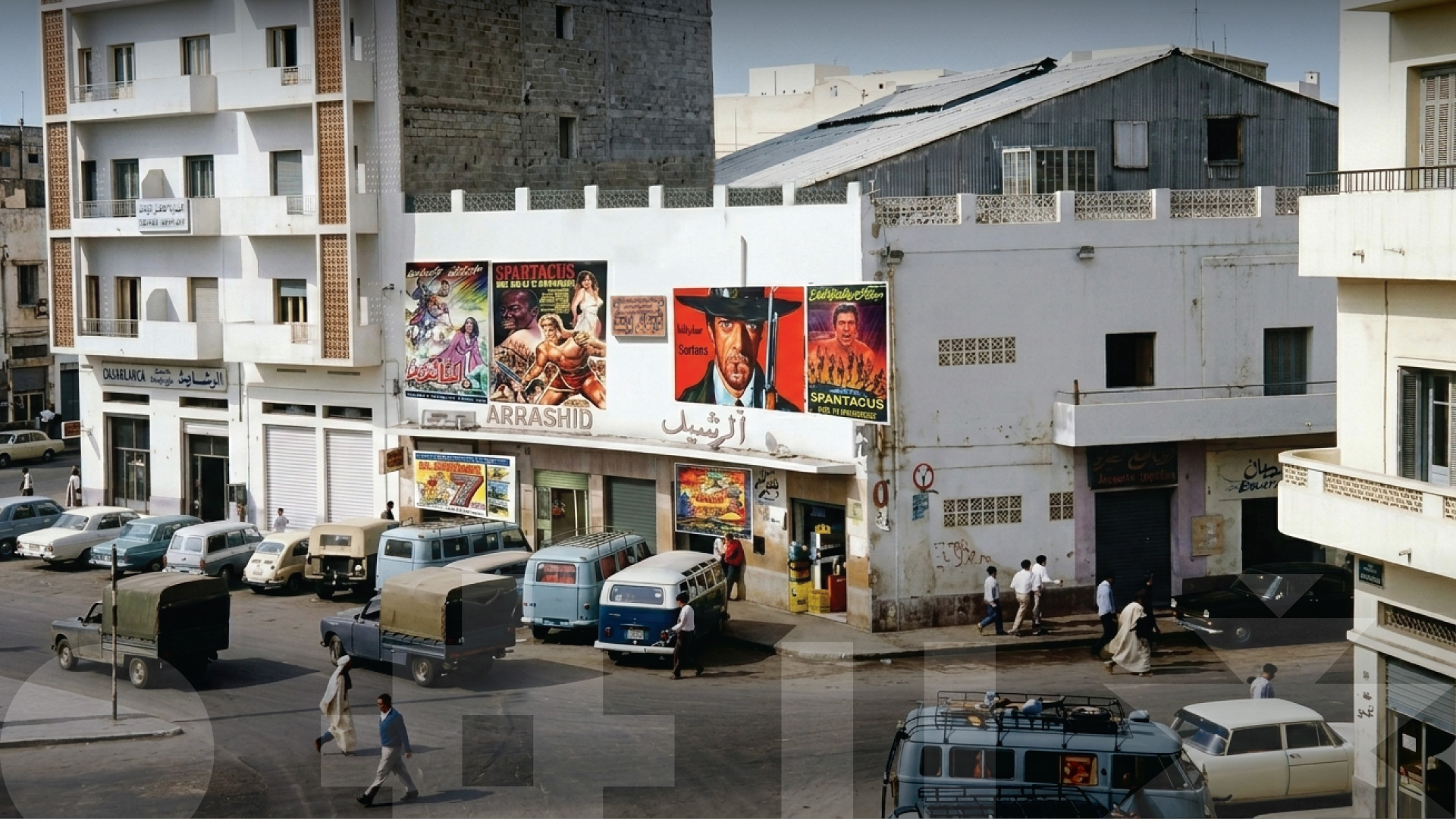
On the other hand, Arab countries like Morocco and Jordan have proven that having world-class filming locations can serve as an economic and cultural lever. Morocco has invested in infrastructure to attract film productions, creating jobs and enhancing its international standing. Similarly, Jordan has established a film commission and leveraged natural sites like Wadi Rum to become a destination for blockbuster films like The Martian and Star War.
Libya, despite its unparalleled beauty and history, has yet to adopt any coherent vision for a sustainable cinema industry. It remains a transient backdrop—an echo rather than a voice—on the world’s silver screen.
Conclusion:
Cinema is not just strips of light projected in a dark hall, rather memories of people and their means of telling their story to the world.
Every historical site that we haven’t framed ourselves will be narrated by others in their context, and every undocumented scene will gradually fade from our memory. Libya doesn’t lack beauty, history, or stories worth telling; it only lacks the conviction that its image is too important to be left for others to define.
The question today is not about the past, rather the future: Will we stand behind the lenses or will we hold it to tell our own story?
Muhammad Ben Saoud